Many homeowners picture mold as something they can see — black spots on a bathroom tile or green patches on a wall. But in reality, the most damaging mold growth often occurs entirely out of sight, silently spreading through the structural components of a home for months before any visible sign appears.
The Most Common Hiding Spots in Florida Homes
Behind drywall: Moisture that enters through roof leaks, plumbing failures, or condensation can saturate drywall and the framing behind it without ever showing on the surface. By the time a wall feels soft or shows discoloration, mold may have been active inside for weeks.
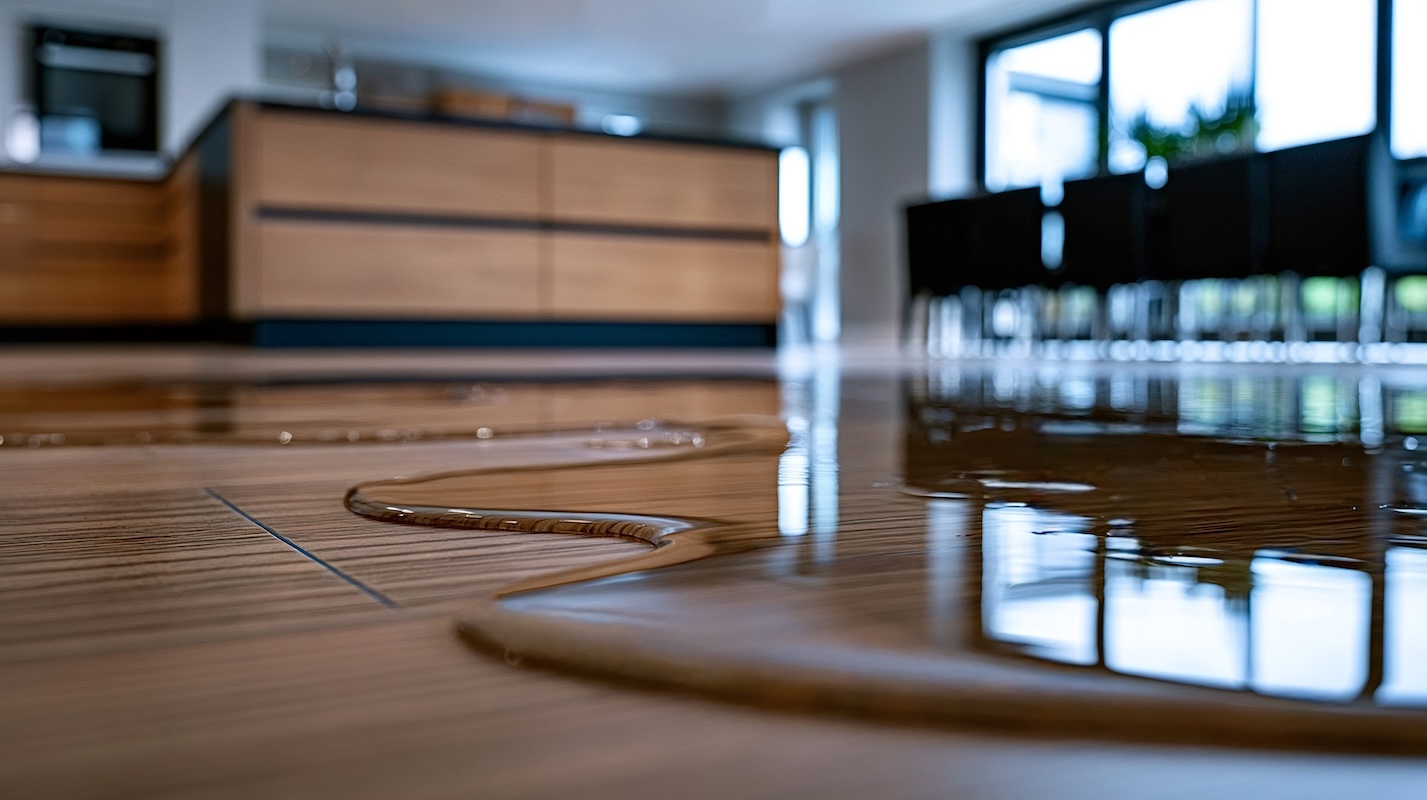
Under flooring: Hardwood, laminate, and tile floors can all trap moisture underneath. A slow leak from a refrigerator water line, dishwasher, or bathroom fixture can saturate a subfloor completely while the surface above looks perfectly normal. In attic spaces: Florida attics experience extreme heat and humidity, making them particularly vulnerable. Roof leaks — even small ones — can wet the attic decking and framing repeatedly over time, creating large areas of mold growth that are only discovered during a sale inspection or roof replacement.
In crawl spaces: Homes with crawl spaces are especially susceptible to mold growth from ground moisture rising into the space. Without proper vapor barriers and ventilation, crawl spaces can become significantly moldy with no indication from inside the living area.
Inside wall cavities around plumbing: The walls surrounding supply and drain lines are frequently damp from condensation on cold pipes or slow drips at connections. These areas are rarely inspected and provide a consistently humid environment that supports long-term mold growth.
■ Smell Before You See: A persistent musty or earthy odor — especially in certain rooms or when the air conditioning runs — is often the first detectable sign of hidden mold. Don’t ignore it, call a professional for mold remediation services.
Why Hidden Mold Is More Dangerous Than Visible Mold
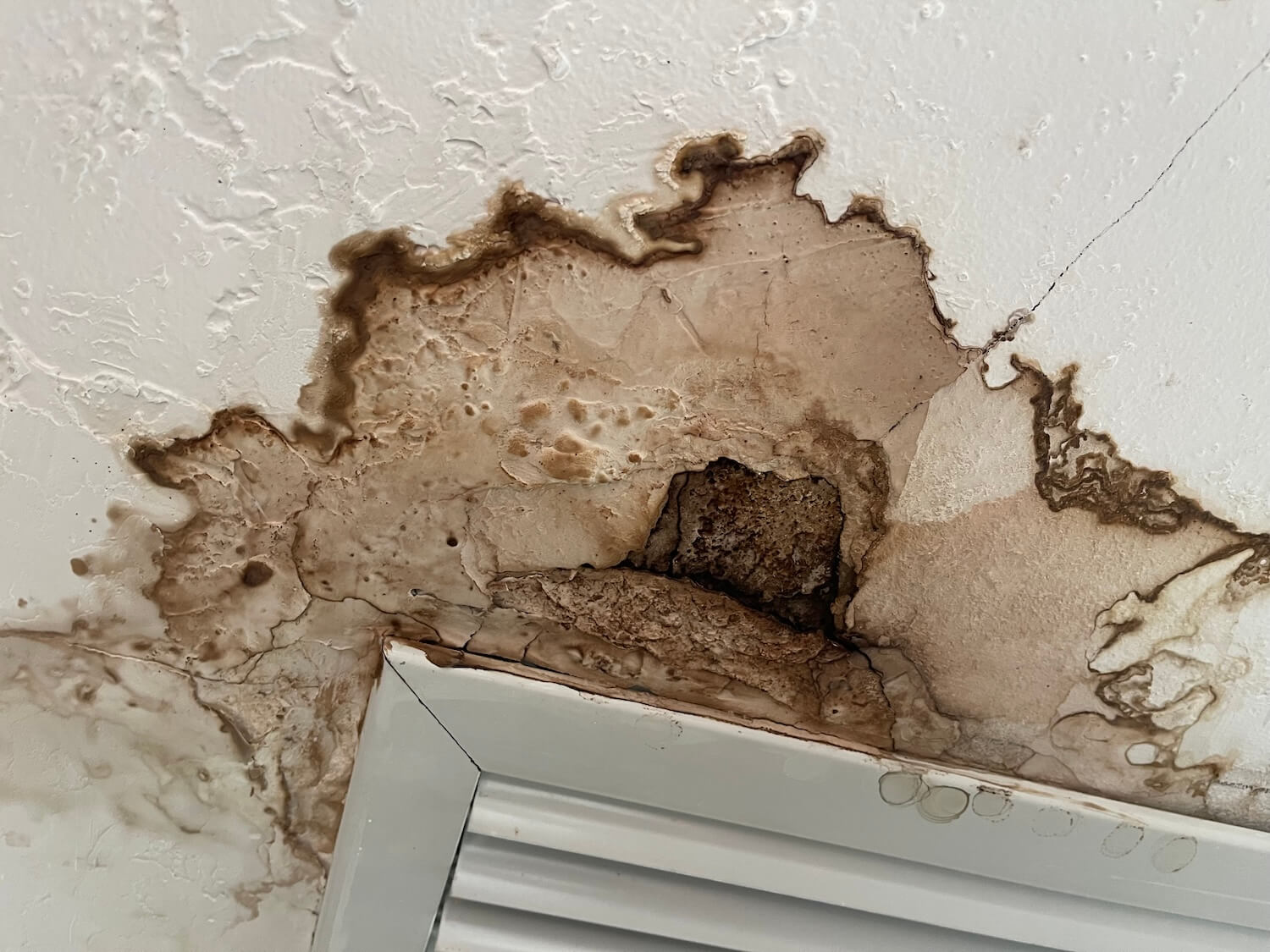
Visible mold on a surface is easy to identify and respond to. Hidden mold, by contrast, continues to spread and degrade building materials for months or years without being addressed. By the time it becomes visible — typically through wall discoloration, bubbling paint, or soft spots — the mold has often consumed significant sections of drywall, insulation, or even structural wood.
Beyond structural damage, hidden mold releases spores continuously into the air of the home. Occupants may experience persistent respiratory irritation, allergy symptoms, or general discomfort without any obvious explanation. In homes with concealed mold, these symptoms often improve noticeably when residents spend extended time away — a clear signal worth paying attention to.
What Professional Remediation Addresses
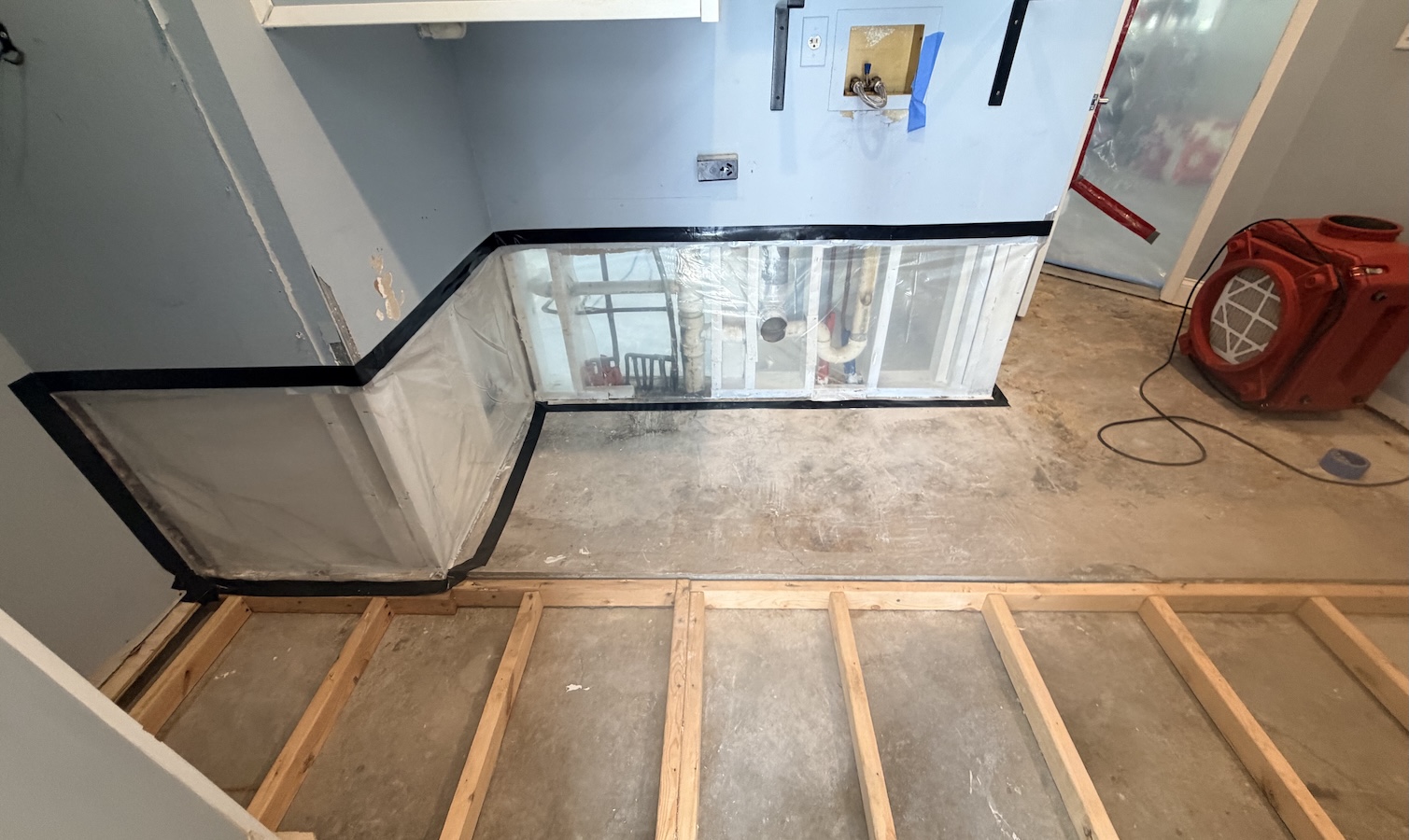
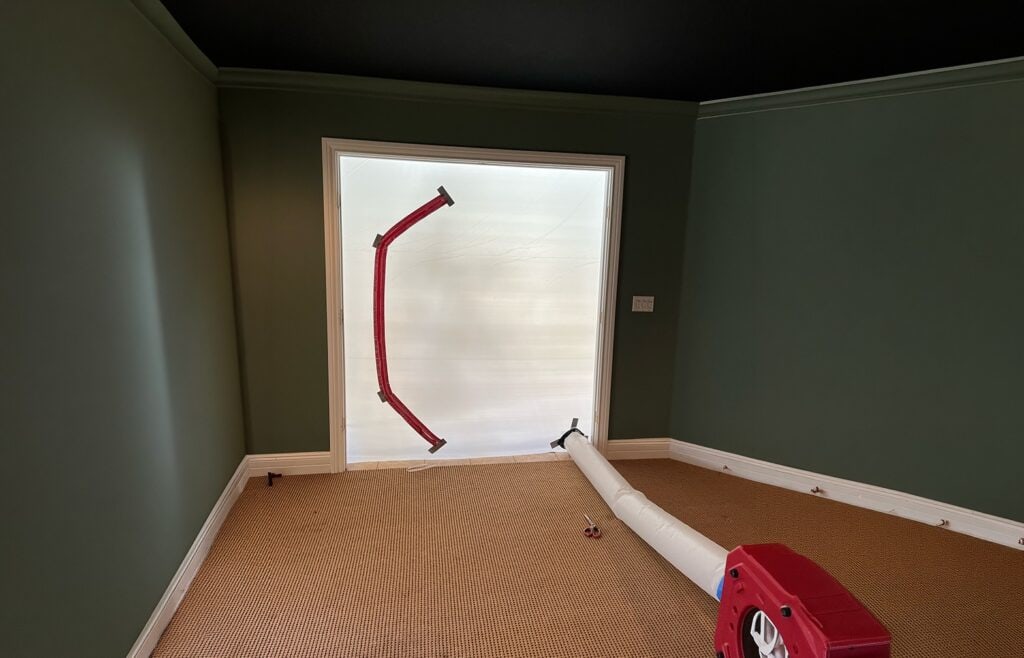
Professional mold remediation goes beyond surface treatment. The BlackWater Mold Pros process involves identifying the moisture source driving the mold growth, containing the affected area to prevent cross-contamination, physically removing compromised materials, treating the structure with antimicrobial agents, and verifying that moisture levels have returned to normal before restoration.
This comprehensive approach ensures that hidden mold isn’t simply covered over — it’s eliminated at the source. For Tampa Bay homeowners concerned about potential hidden mold, a free estimate from BlackWater Mold Pros is the right first step. If you suspect mold growth or a mold issue call us at (727) 314-3518 for a free estimate on your property.