In This Article, You’ll Learn
- What water mitigation actually means, and how it’s different from water damage restoration
- Why the first 24 to 48 hours after water intrusion matter so much
- What professional water mitigation includes, step by step
- How mitigation helps prevent mold before it starts
- Questions to ask before hiring a water mitigation company
When a pipe bursts, a roof leaks, or storm water gets into your home, most homeowners hear two terms thrown around almost interchangeably: water mitigation and water damage restoration.
They are not the same thing.
Water mitigation is the first response. It’s what happens in the hours right after water intrusion, and it largely determines how much damage, cost, and disruption follow.
Understanding what mitigation actually involves can help you make faster, better decisions when it matters most.
Water Mitigation vs. Water Damage Restoration: What’s the Difference?
In the restoration industry, “water damage restoration” can refer to the entire recovery process. For homeowners and insurance claims, however, the work is often divided into two phases: mitigation, which stops and controls the immediate damage, and restoration, which repairs or replaces damaged materials.
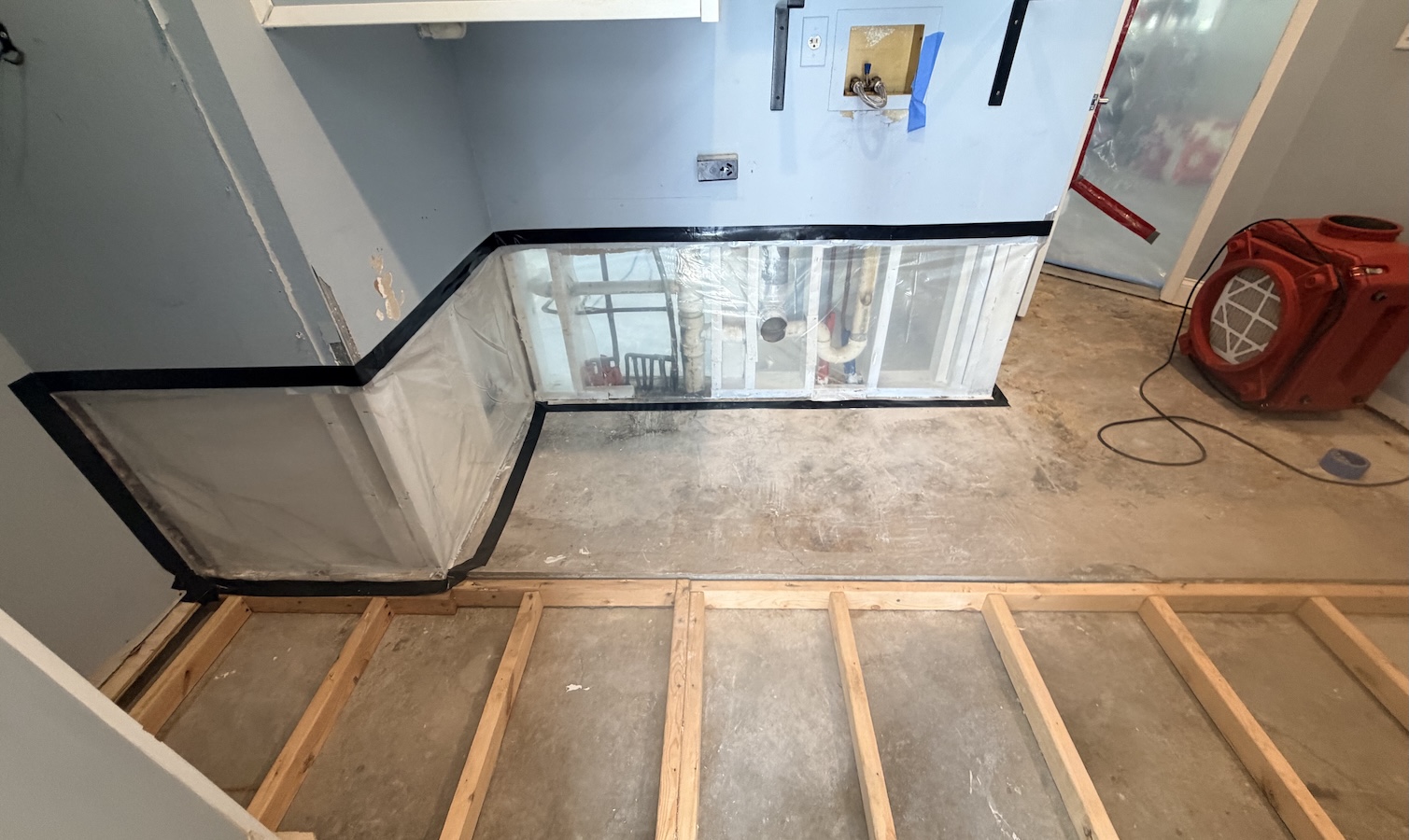
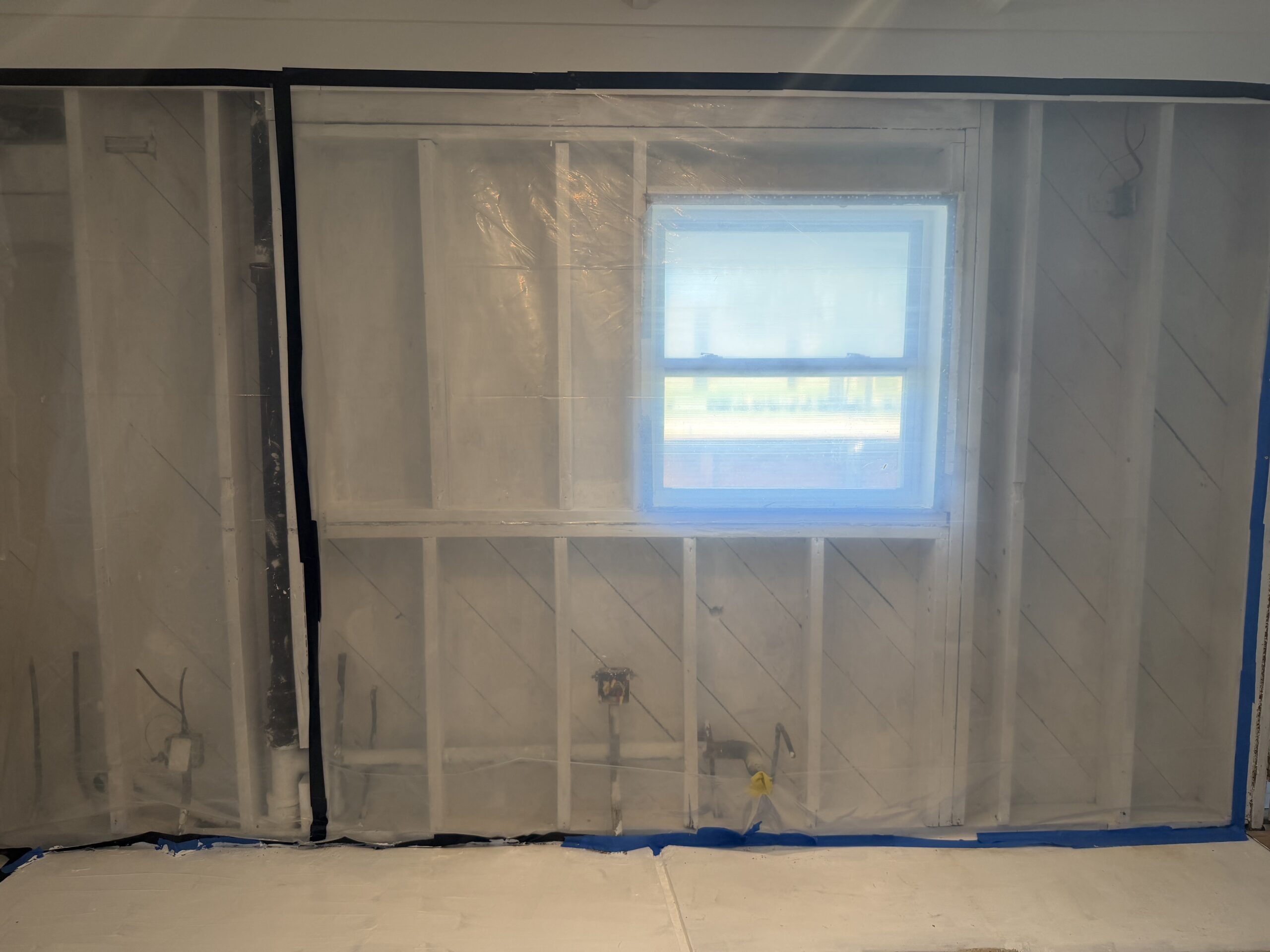
Water mitigation is the emergency response phase. The goal is simple: stop the damage from getting worse. That means removing standing water, drying out the structure, and controlling moisture before it spreads into walls, flooring, and framing.
Water damage restoration is what comes after. Once the property is dry and stable, restoration focuses on repairing or replacing what was damaged: drywall, flooring, subfloor, and in some cases structural materials.
Think of mitigation as triage and restoration as the recovery plan that follows it.
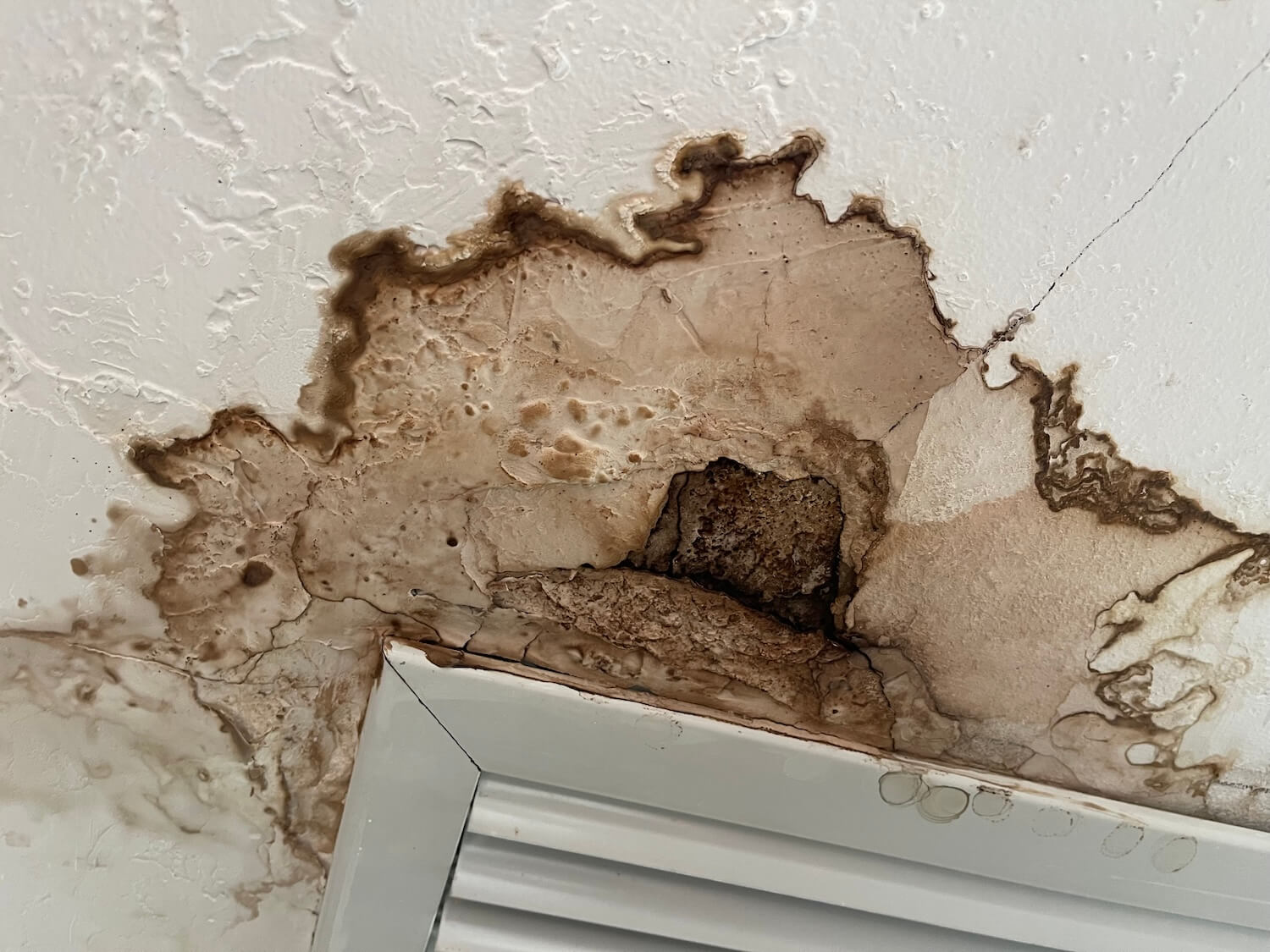
Skipping straight to repairs without proper mitigation can become an expensive mistake after water damage
Why Timing Matters: The 24 to 72 Hour Window
Water doesn’t wait, and neither should you.
Once building materials get wet, moisture can begin promoting mold growth in as little as 24 to 48 hours. By 72 hours, that risk increases significantly, especially in Florida’s warm, humid climate, which creates ideal conditions for mold to take hold.
That’s why response time is one of the most important factors in limiting damage. The longer water sits, whether it’s soaking into drywall, pooling under flooring, or trapped inside insulation, the more expensive and involved the recovery becomes.
Blackwater Quick Fact: Water intrusion can create conditions for mold growth within 24 to 48 hours. If your home has had significant water intrusion, don’t wait to have it assessed.
What Professional Water Mitigation Includes
Water mitigation isn’t just running a shop vac and pointing a fan at the carpet. A professional mitigation response typically includes:
- Emergency water extraction: removing standing water immediately using pumps and extraction equipment
- Moisture mapping:using moisture meters and, where useful, thermal imaging to locate and confirm moisture in walls, flooring and other materials, including areas that aren’t visibly wet
- Structural drying: using professional air movers and dehumidifiers to remove moisture from affected materials and the surrounding air.
- Monitoring: checking moisture levels throughout the drying process until established drying goals are reached.
- Antimicrobial treatment when appropriate: treating affected materials when conditions and the type of water intrusion call for it.
The goal at every step is the same: remove the water, dry the structure properly, and stop the conditions that mold needs to grow.
Common Causes of Water Damage in Tampa Bay Homes
Water intrusion doesn’t always come from dramatic flooding. Some of the most common causes we see across Clearwater, Tampa, and the surrounding Pinellas County area include:
- Burst or leaking pipes, often hidden behind walls or under sinks
- Storm and hurricane-related flooding
- Roof leaks that slowly saturate insulation and attic framing
- Washing machine, water heater, or dishwasher failures
- Sewage backups
Because Florida’s climate stays warm and humid for most of the year, even a small, slow leak can create the moisture conditions mold needs, often before a homeowner ever notices a problem.
What Happens If You Skip Professional Mitigation
It’s tempting to mop up water, run a few box fans, and consider the problem solved. In some very minor cases, that might be enough. But when water has reached flooring, drywall, insulation or other building materials, visible drying isn’t necessarily the same as complete drying.
Carpet pad, subfloor, wall cavities, and insulation can hold moisture long after the surface feels dry. Without moisture mapping and monitoring, that trapped moisture can lead to hidden mold growth weeks or even months later, often in places you can’t see until the problem has already spread.
That’s why professional mitigation focuses on measured, verified drying, not just the absence of visible water.
Will Insurance Cover Water Mitigation?
Many homeowners insurance policies cover mitigation when water damage results from a sudden, accidental event such as a burst pipe. Storm-related coverage depends on how the water entered the home, while flooding generally requires separate flood insurance. Coverage varies by policy and cause of loss, so confirm the details with your insurer.
A mitigation company that documents the damage thoroughly, with photos, moisture readings, and a clear scope of work, can make the claims process easier.
Blackwater Says: Fast, documented mitigation isn’t just about drying your home. It’s about protecting you if you need to file an insurance claim, and about giving the restoration team an accurate starting point for repairs.
Frequently Asked Questions
Is water mitigation the same as water damage restoration?
No. Mitigation is the emergency response that stops damage from spreading, mainly water extraction and drying. Restoration is the repair and rebuild phase that follows once the structure is dry.
How quickly should water mitigation start?
As soon as possible. Mold can begin growing when wet materials remain damp for 24 to 48 hours, so starting extraction and drying quickly can significantly limit the damage.
Can I just use fans and dehumidifiers myself?
For very small, contained spills, basic drying may be enough. For anything involving flooring, drywall, or a larger area, professional equipment and moisture monitoring may be needed to confirm materials are actually dry, not just dry to the touch.
Do I need mold testing after water mitigation?
Not always, but if drying wasn’t started quickly or moisture was present for an extended period, an inspection can help confirm whether mold has developed.
What should I do the moment I discover water damage?
Shut off the water source if possible, avoid walking through standing water near electrical outlets, and call a professional for an assessment as soon as you can.
Blackwater Pro Tip: Take photos of the damage before cleanup begins, if it’s safe to do so. This documentation can be valuable for insurance purposes later.
Acting Quickly Can Limit the Damage
Water mitigation is the step that determines everything that follows. Fast, thorough extraction and drying can be the difference between a manageable repair and a much larger, more expensive restoration project involving mold remediation, drywall replacement, and flooring repair.
If your home has experienced a leak, flood, or any kind of water intrusion, don’t wait to see if it dries out on its own. The first 24 to 48 hours can make a major difference in limiting moisture damage and reducing the opportunity for mold growth.
Continue Learning
Continue exploring The Blackwater Mold Resource Center:
- What to Do in the First 24 Hours After Water Damage
- Water Damage Restoration Explained: From Water Mitigation to Full Repair
- Why Mold Spreads So Fast in Florida Homes
About Blackwater Mold Pros
At Blackwater Mold Pros, we believe educated homeowners make better decisions. That’s why we created The Blackwater Mold Resource Center, a growing library of science-based articles about mold, moisture intrusion, indoor air quality, water damage, and healthy homes.
Our mission is to provide honest, easy-to-understand information that empowers homeowners to protect their homes, understand their options, and make informed decisions when moisture or water damage becomes a concern.
Written by the Blackwater Mold Pros Team
Contact Blackwater Mold Pros
Whether you’re dealing with a burst pipe, storm damage, or a slow leak you just discovered, Blackwater Mold Pros is here to help. We provide 24/7 emergency water extraction, structural drying, and full water damage restoration throughout the Tampa Bay area.
If you’ve had water intrusion of any kind, don’t wait to have it assessed. Call now or schedule a free inspection at 727-314-3518.
Tagged: Water Mitigation, Water Damage, Emergency Response, Mold Prevention, Homeowners