
Estimated Reading Time: 8–10 Minutes
In This Article, You’ll Learn
- Whether you can stay in your home during mold remediation
- What factors influence that decision
- How containment helps protect unaffected areas
- What to expect if you remain at home
- Questions you should ask your remediation company
Can You Stay in Your Home During Mold Remediation?
Finding out that your home needs mold remediation naturally raises a lot of questions.
One of the first questions homeowners ask is:
“Will we have to leave the house?”
The answer isn’t always the same.
Some remediation projects are relatively small and may have very little impact on daily life. Others involve larger portions of the home or conditions that make temporarily relocating the safest and most practical option.
Every home—and every remediation project—is different.
Understanding what determines that decision can help you prepare and know what to expect.
There Isn’t a One-Size-Fits-All Answer
Whether you can stay in your home depends on several factors, including:
- The size of the affected area
- Where the mold is located
- The extent of the water damage
- Whether containment can isolate the work area
- The equipment being used
- Your family’s individual circumstances
A professional remediation company will evaluate these factors before making recommendations.
Small Remediation Projects
If mold is confined to a small, isolated area of the home, it may be possible to remain in the home while remediation is completed.
For example, projects involving a single bathroom, laundry room, or small section of drywall may have minimal impact on the rest of the home when proper containment procedures are used.
In these situations, homeowners are often able to continue using unaffected areas while work is underway.
Larger Remediation Projects
Some projects affect a much larger portion of the home.
Examples may include:
- Multiple rooms
- Extensive water damage
- Large areas of affected drywall
- Significant structural drying
- Widespread contamination
In these cases, temporarily relocating may be recommended for convenience, safety, or because portions of the home may not be usable during remediation.
Blackwater Quick Fact
Professional remediation plans are designed around the specific conditions of each property. No two mold remediation projects are exactly alike.
How Containment Protects Your Home
One of the most important parts of professional remediation is containment.
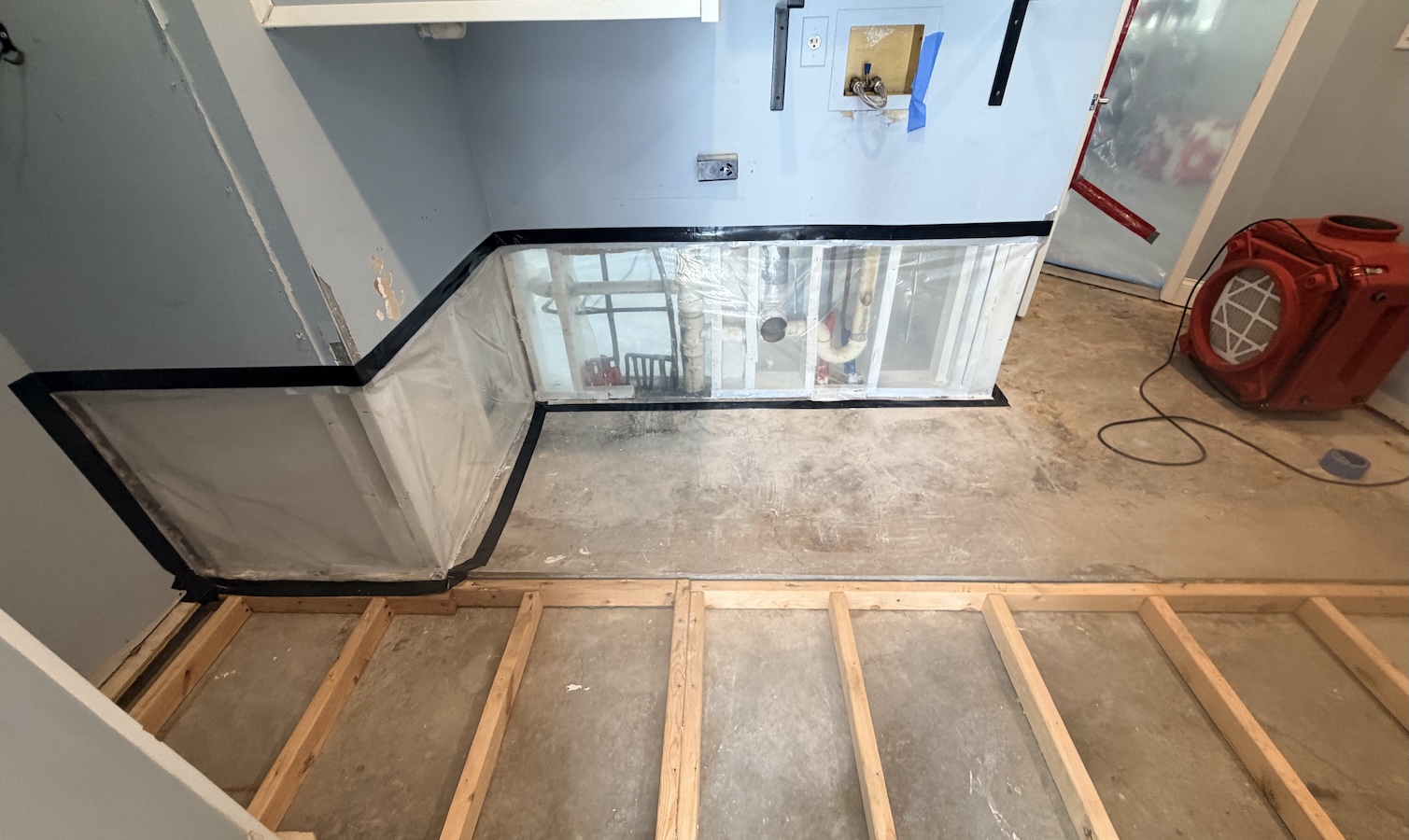
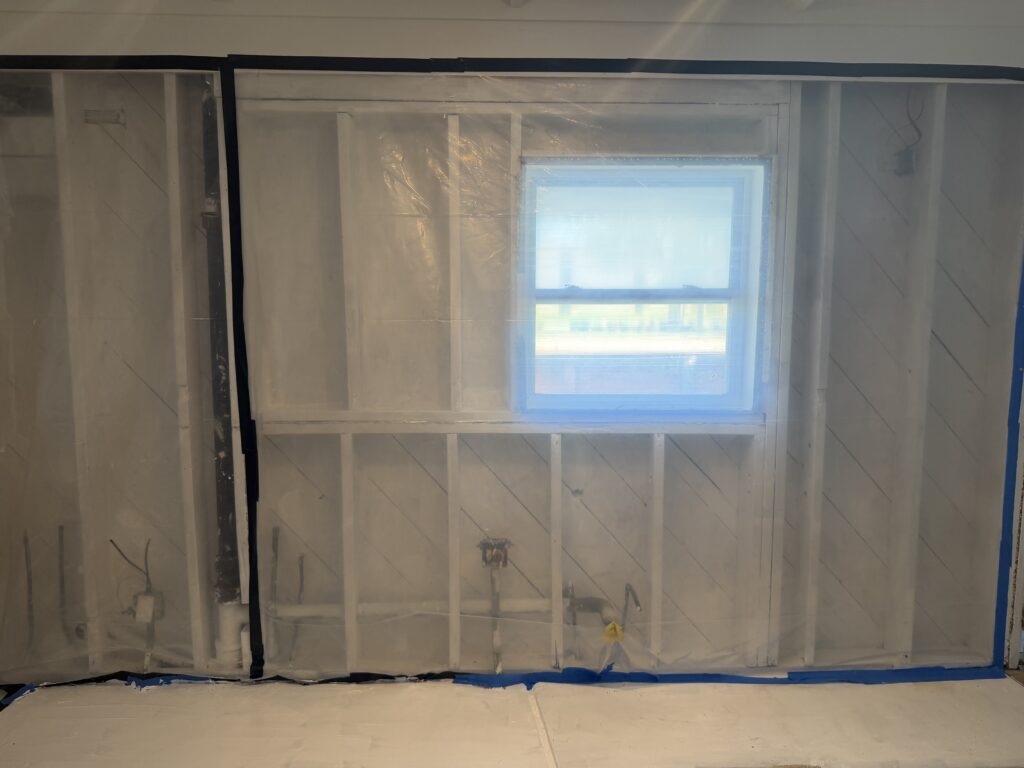
Containment helps separate the work area from the rest of the home while remediation is being performed.
Depending on the project, containment may include:
- Heavy-duty plastic barriers
- Zippered entryways
- Temporary walls
- Negative air pressure
- Controlled work zones
The purpose is to help minimize the movement of dust and airborne particles into unaffected areas.
What Are HEPA Air Scrubbers?
During many remediation projects, commercial HEPA air scrubbers operate continuously.
These machines pull air through high-efficiency filters designed to capture extremely small airborne particles.
Air scrubbers help improve air quality within the work area while remediation is taking place.
Will There Be Noise?
Possibly.
Professional drying equipment and air filtration systems often run continuously during remediation.
Homeowners should expect some additional noise from:
- Air scrubbers
- Dehumidifiers
- Air movers
The amount of equipment depends on the size of the project.
What About Pets?
Pets are often sensitive to changes in their environment.
Depending on the scope of the remediation project, it may be less stressful to keep pets away from active work areas or arrange for them to stay elsewhere until the project is complete.
If you have pets, discuss your concerns with your remediation company before work begins.
What About Children?
Families with young children often ask this question.
The recommendation depends on:
- The location of the work
- The size of the project
- The amount of equipment being used
- Whether unaffected living spaces remain available
Your remediation company can explain what to expect based on your specific project.
How Antimicrobial Fogging Fits Into the Process
Many homeowners ask whether antimicrobial fogging means they need to leave their home.
The answer depends on the remediation plan and the products being used.
Antimicrobial fogging is not used on every project, nor is it a substitute for proper remediation.
When appropriate, fogging may be incorporated after cleaning and moisture control have been completed to help apply an antimicrobial product to treated areas.
Your remediation company will explain if fogging is part of your project and provide any instructions regarding occupancy based on the specific products and application methods being used.
Preparing for Remediation
If remediation is scheduled, a little preparation can make the process smoother.
Consider:
- Removing valuable or fragile belongings from the work area.
- Discussing parking needs for equipment and service vehicles.
- Asking whether utilities will need to remain on.
- Securing pets before technicians arrive.
- Asking what rooms will remain accessible.
Communication before the project begins helps everyone know what to expect.
Questions to Ask Your Remediation Company
Before work begins, consider asking:
- Will containment be installed?
- Will I be able to use the rest of my home?
- How long is the project expected to take?
- What equipment will be running?
- Will antimicrobial fogging be used?
- Are there any preparations my family should make?
- When can repairs or rebuilding begin?
A reputable company should be happy to answer every question and explain each step of the process.
Homeowner Checklist
Before remediation begins:
- Understand the scope of the project.
- Ask whether containment will be used.
- Discuss pets and children with your contractor.
- Remove valuables from the work area.
- Ask what parts of the home will remain accessible.
- Understand the expected project timeline.
- Ask questions before work begins.
Blackwater Says…
Every mold remediation project is unique. Our goal is to recommend the safest and most effective solution based on your home’s specific conditions, not a one-size-fits-all approach.
Frequently Asked Questions
Do I always have to leave my home during mold remediation?
No. Many homeowners are able to remain in unaffected areas of the home while remediation is completed. The decision depends on the size and location of the project.
Is containment really necessary?
Containment helps isolate the work area and reduce the movement of dust and airborne particles into other parts of the home during remediation.
Will my house smell during remediation?
Some projects may involve temporary odors associated with cleaning products or building materials. Your remediation company can explain what to expect for your specific project.
How long does mold remediation usually take?
Project timelines vary depending on the size of the affected area, the amount of drying required, and the repairs involved.
Will I need to clean after remediation?
Professional remediation typically includes cleaning within the work area. Your contractor can explain whether any additional cleaning or repairs will be needed after the project is complete.
Blackwater Pro Tip
Don’t be afraid to ask questions before remediation begins. Understanding the process ahead of time can help reduce stress and ensure you know exactly what to expect throughout the project.
Final Thoughts
Mold remediation doesn’t automatically mean you’ll need to leave your home. Many projects can be completed while homeowners continue using unaffected areas, while others may require temporary relocation depending on the circumstances.
The most important thing is working with a qualified remediation company that takes the time to explain the process, answer your questions, and develop a plan that’s appropriate for your home.
Knowing what to expect can make the entire experience much less overwhelming.
Continue Learning
Continue exploring The Blackwater Mold Resource Center:
- Does Homeowners Insurance Cover Mold?
- What Happens During Professional Mold Remediation?
- Why Bleach Doesn’t Kill Mold (And What Actually Works)
- Signs You May Have Mold Even If You Can’t See It
- Can Mold Affect Your Indoor Air Quality?
About Blackwater Mold Pros
At Blackwater Mold Pros, we believe educated homeowners make better decisions. That’s why we created The Blackwater Mold Resource Center—a growing library of science-based articles about mold, moisture intrusion, indoor air quality, water damage, and healthy homes.
Our mission is to provide honest, easy-to-understand information that empowers homeowners to protect their homes, understand their options, and make informed decisions when moisture or mold becomes a concern.
Written by the Blackwater Mold Pros Team
Contact Blackwater Mold Pros
Whether you’re dealing with water damage, hidden moisture, a musty odor, or visible mold, Blackwater Mold Pros is here to help. We provide professional mold remediation, moisture investigations, structural drying, HEPA air filtration, and antimicrobial fogging throughout the Tampa Bay area.
If you have questions about mold remediation or would like a professional evaluation of your home, our team is here to help you every step of the way.