In This Article, You’ll Learn:
- What water damage restoration actually includes, beyond drying out a room
- How restoration is different from mitigation, and why you need both
- What structural assessment and repair planning involve
- How insurance claims typically fit into the restoration timeline
- Signs your home needs full restoration, not just drying
What Is Water Damage Restoration?
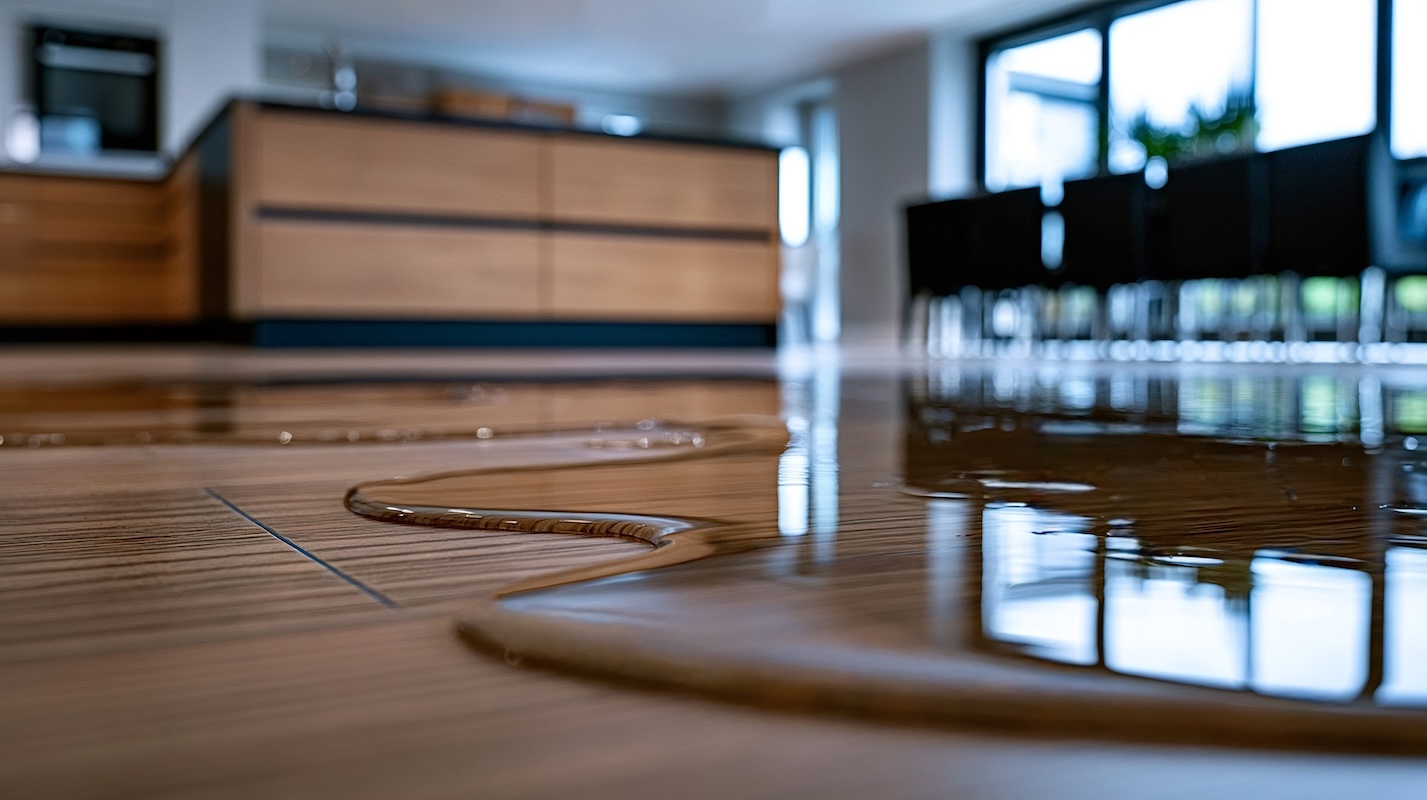
Water damage rarely ends the moment the water is gone.
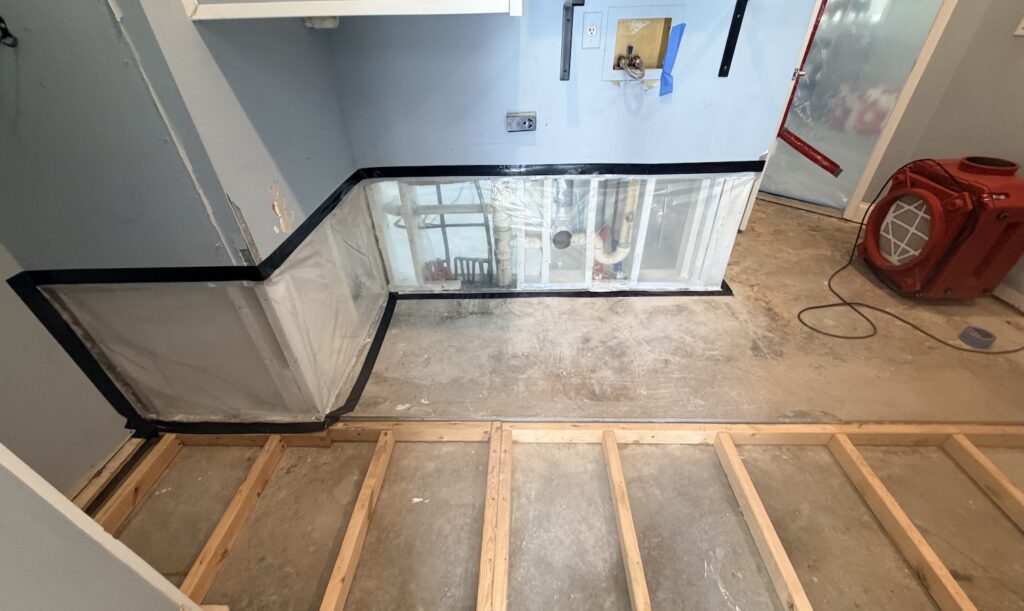
Once a home has been dried out, there’s often still work to do: damaged drywall, warped flooring, and materials that need to be assessed, repaired or replaced. That process is the repair and rebuilding phase of water damage restoration, and it’s just as important as the emergency response that comes before it.
Depending on the extent of the damage, restoration can involve anything from replacing a small section of drywall to extensive structural repairs.
Here’s what happens between “the water is gone” and “the home is back to normal.”
Mitigation Comes First: Why You Can’t Skip a Step
Restoration only works when it’s built on a foundation of proper mitigation.
If materials are repaired or replaced before the structure is confirmed dry, moisture trapped behind new drywall or under new flooring can lead to mold growth down the road, sometimes hidden until it becomes a much bigger problem.
That’s why a reputable restoration process always starts with verified drying, not an assumption that a room “looks fine now.”
Blackwater Quick Fact: Rebuilding over materials that haven’t been properly dried can trap moisture behind new drywall or flooring, creating conditions for hidden mold growth.
What Water Damage Restoration Includes
A full restoration project can involve several stages, depending on how extensive the damage is:
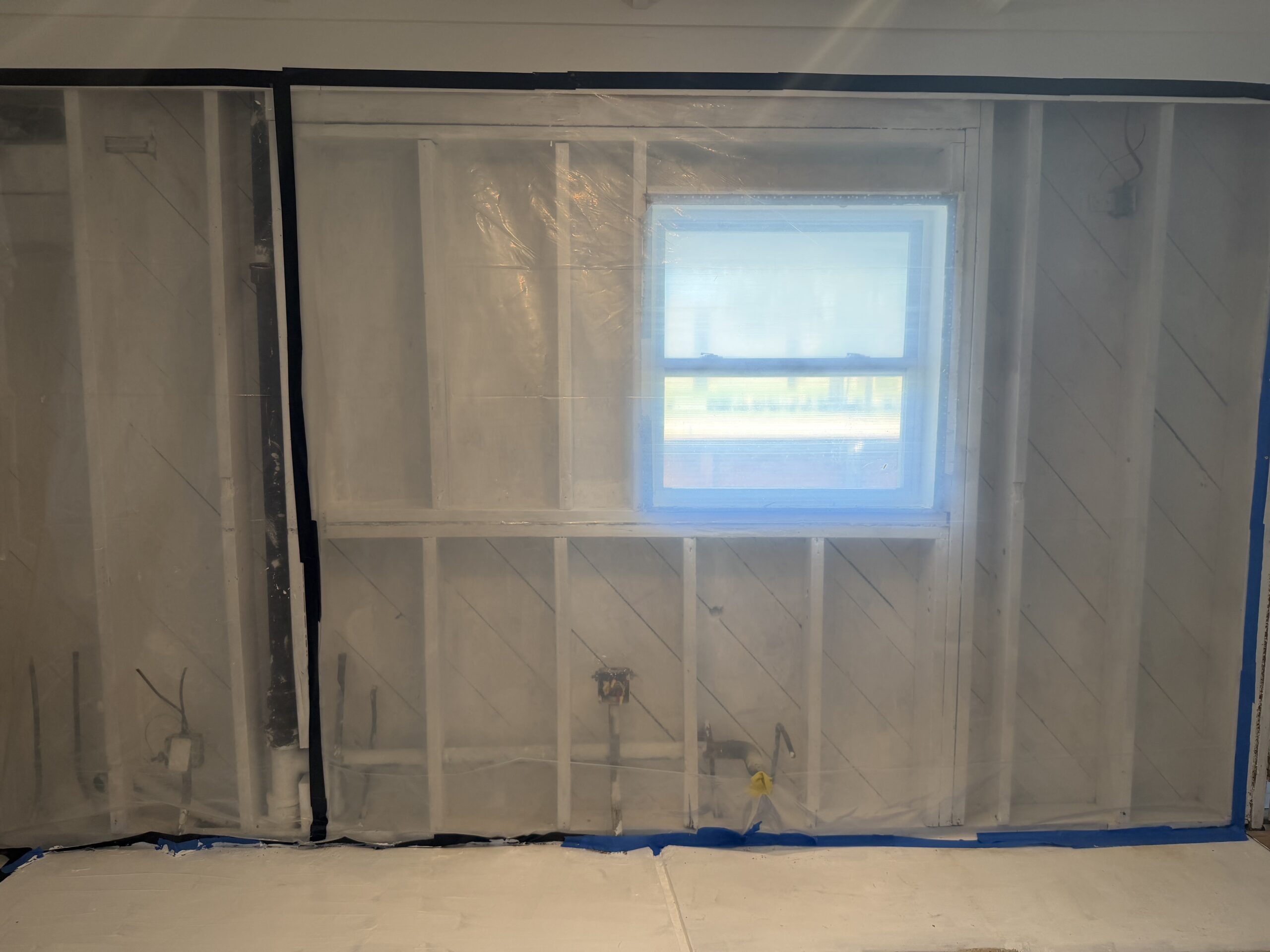
- Structural assessment: evaluating framing, subfloor, and other structural materials to determine what can be dried and saved versus what needs to be replaced
- Repair planning: documenting the full scope of work needed so homeowners know what to expect before repairs begin
- Mold remediation and material replacement: removing and replacing any materials that were compromised by mold growth during or after the water event
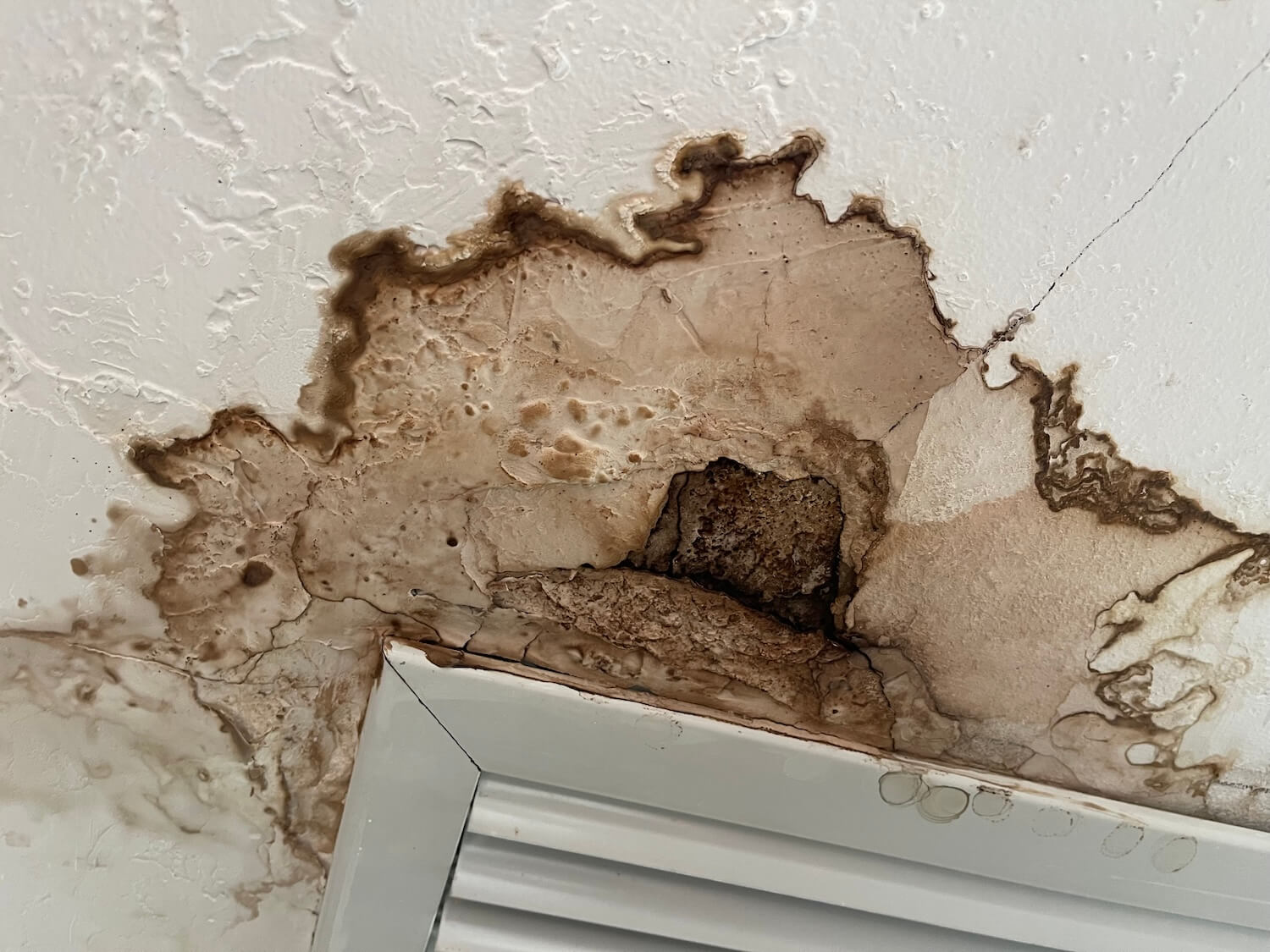
- Drywall replacement: removing damaged drywall and installing new material, matched to existing textures and finishes where possible
- Flooring replacement: restoring hardwood, tile, laminate, or subfloor that was damaged by water, warping, or prolonged moisture exposure
Not every project requires every step. A contained leak under a sink might only need a section of drywall and cabinetry replaced, while flooding from a storm event may involve flooring, drywall, and structural repairs throughout multiple rooms.
How We Work With Your Insurance
Filing an insurance claim after water damage can feel overwhelming, especially while you’re also dealing with the disruption to your home.
Working with a restoration company that documents damage clearly (photos, moisture readings, and a detailed scope of work) can make the claims process considerably smoother. That documentation gives your adjuster a clear picture of what happened and what’s needed to fix it, which helps avoid back-and-forth with the adjuster.
A restoration team that communicates directly with your adjuster, rather than leaving that entirely on your shoulders, can also help keep the project moving instead of stalling while paperwork gets sorted out.
Partnering With Trusted Contractors
Water damage restoration often overlaps with general contracting work: framing repairs, drywall, flooring, and finish carpentry. Rather than leaving homeowners to coordinate multiple companies on their own, it helps to work with a team that has established relationships with licensed local contractors.
Having one point of contact can simplify communication and coordination, rather than leaving you to manage separate vendors for drying, repairs and rebuilding.
How Long Does Water Damage Restoration Take?
Timelines vary significantly based on the scope of the project. A few general guidelines:
- Minor repairs (a section of drywall, small flooring area) may take a few days once drying is complete
- Moderate projects involving multiple rooms may take one to two weeks, although insurance approval can affect the timeline.
- Larger projects involving structural repairs, extensive flooring, or coordination with insurance can take several weeks or longer
The most accurate timeline comes from a written estimate based on your specific damage, not a general rule of thumb.
Signs Your Home Needs Restoration, Not Just Drying
Not every water event requires full restoration. Here are some signs that repair work, not just drying equipment, is needed:
- Drywall that’s soft, bubbling, or crumbling
- Flooring that’s warped, buckling, or separating at the seams
- A musty odor that persists after the area appears dry
- Visible mold growth on baseboards, drywall, or flooring
Water damage that occurred more than 48 hours before drying began should be assessed professionally. The EPA recommends drying water-damaged materials within 24–48 hours to reduce mold growth.
Frequently Asked Questions
Is water damage restoration covered by insurance?
Many homeowners policies cover sudden, accidental water damage, such as damage from a burst pipe. Storm-related coverage depends on how the water entered the home. Flood damage generally requires separate flood insurance. Your insurer can confirm what your particular policy covers.
How do I know if I need restoration or just mitigation?
If water was removed and the structure dried quickly with no visible damage to drywall, flooring, or framing, mitigation alone may be enough. If materials were damaged, warped, or exposed to moisture for an extended period, restoration may be needed needed.
Can restoration start before mitigation is finished?
Some repair planning and preparation can begin during mitigation. However, affected areas must be properly dried and any contamination addressed before new drywall, flooring or other finishes are installed.
Do you handle the repairs yourselves, or do you bring in other contractors?
It depends on the scope of work. For structural and rebuild work, we coordinate with trusted local contractors to make sure repairs are handled by the right licensed professionals.
What should I do while I wait for restoration to begin?
Keep the area as accessible as possible for assessment, avoid storing belongings in the affected space, and ask your restoration company what preparations, if any, are needed on your end.
Blackwater Tip: Ask for a written scope of work before restoration begins. A clear, itemized plan helps you understand exactly what’s being repaired and helps prevent surprises later in the project.
Continue Learning
Continue exploring The Blackwater Mold Resource Center:
- What Is Water Mitigation? Why This First Step Determines Everything After a Leak or Flood (link created once the other blog is posted)
- What to Do in the First 24 Hours After Water Damage
- Signs You May Have Mold Even if You Can’t See it
About Blackwater Mold Pros
At Blackwater Mold Pros, we believe educated homeowners make better decisions. That’s why we created The Blackwater Mold Resource Center, a growing library of science-based articles about mold, moisture intrusion, indoor air quality, water damage, and healthy homes.
Our mission is to provide honest, easy-to-understand information that empowers homeowners to protect their homes, understand their options, and make informed decisions when moisture or water damage becomes a concern.
Written by the Blackwater Mold Pros Team
Contact Blackwater Mold Pros
Whether you’re in the middle of an insurance claim, dealing with damaged drywall and flooring, or just starting to assess the damage after a leak or flood, Blackwater Mold Pros coordinates water damage restoration from mitigation through repair throughout the Tampa Bay area, working with trusted local contractors when specialized rebuild work is needed.
If you’re ready to move from cleanup to full repair, call now or schedule a free inspection at (727) 314-3518.
Tagged: Water Damage Restoration, Insurance, Homeowners, Structural Drying, Water Damage