
Estimated Reading Time: 9–11 Minutes
In This Article, You’ll Learn
- What a professional mold inspection includes
- How inspectors identify hidden moisture
- The role of moisture mapping and thermal imaging
- Common areas where mold is found
- What happens after the inspection is complete
When homeowners think about a mold inspection, many imagine someone simply walking through the house looking for black spots on the walls.
In reality, a professional mold inspection is much more comprehensive.
Visible mold is only part of the picture. In many cases, the real concern is identifying why mold developed in the first place and whether hidden moisture exists in areas you can’t easily see.
A thorough inspection helps homeowners understand the condition of their property and provides the information needed to determine the most appropriate next steps.
Why Schedule a Mold Inspection?
There are many reasons homeowners choose to have a professional mold inspection.
Some of the most common include:
- A persistent musty odor
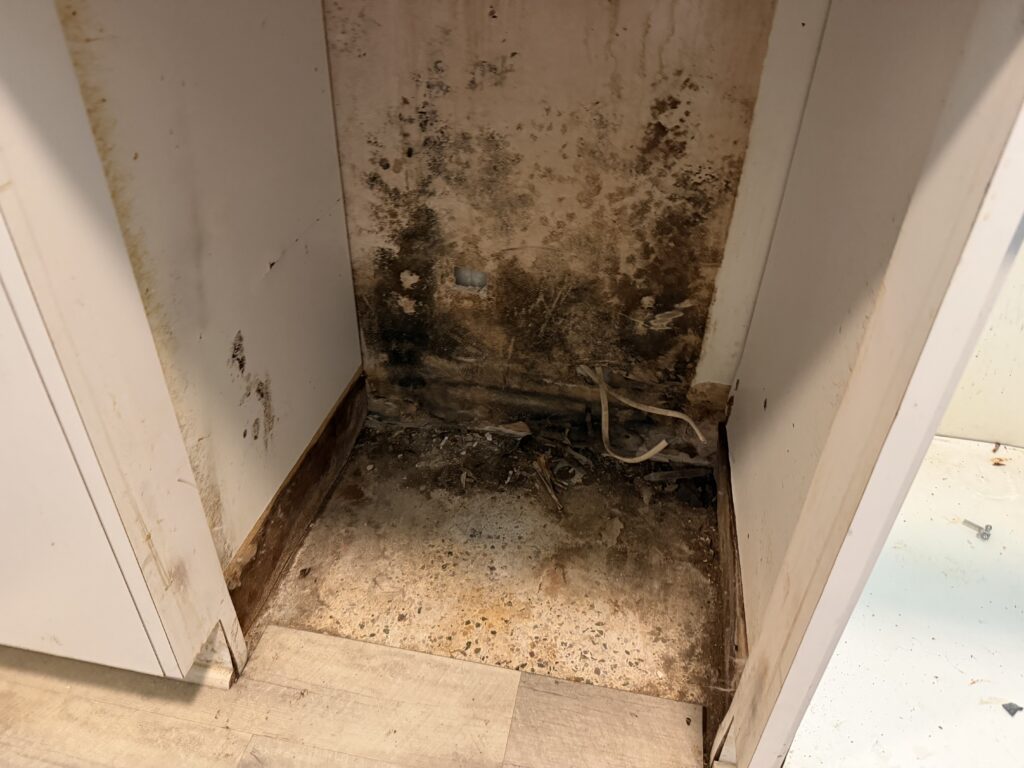
- Visible mold growth
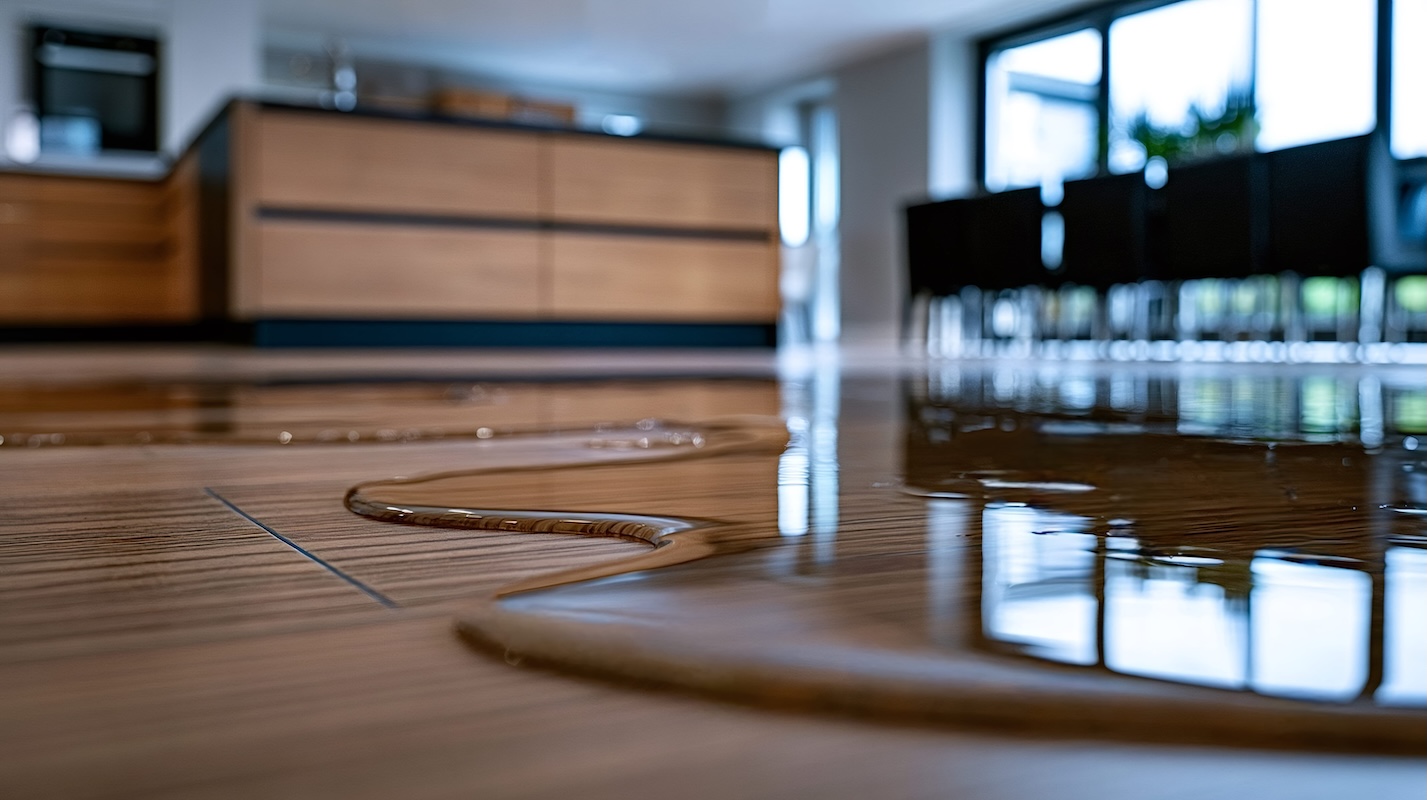
- Recent water damage
- Roof or plumbing leaks
- Buying or selling a home
- Indoor humidity concerns
- Recurring mold after previous cleaning
- Concerns following a hurricane or flooding
Sometimes mold is obvious.
Other times, homeowners simply know something doesn’t seem right.
A professional inspection helps identify potential issues before they become larger problems.
Blackwater Quick Fact
Many moisture problems begin long before mold becomes visible. Finding hidden moisture early can often reduce repair costs and help prevent more extensive damage.
Every Inspection Begins with a Conversation
One of the most valuable parts of an inspection often happens before any equipment is used.
Your inspector will typically ask questions such as:
- When did you first notice the problem?
- Have you experienced any recent leaks?
- Has the home ever flooded?
- Where do you notice musty odors?
- Have repairs already been attempted?
- Is the problem getting worse?
Your answers help guide the inspection and identify areas that deserve closer attention.
A Thorough Visual Inspection
The inspection usually begins with a detailed visual evaluation of the property.
The inspector looks for signs of moisture or mold, including:
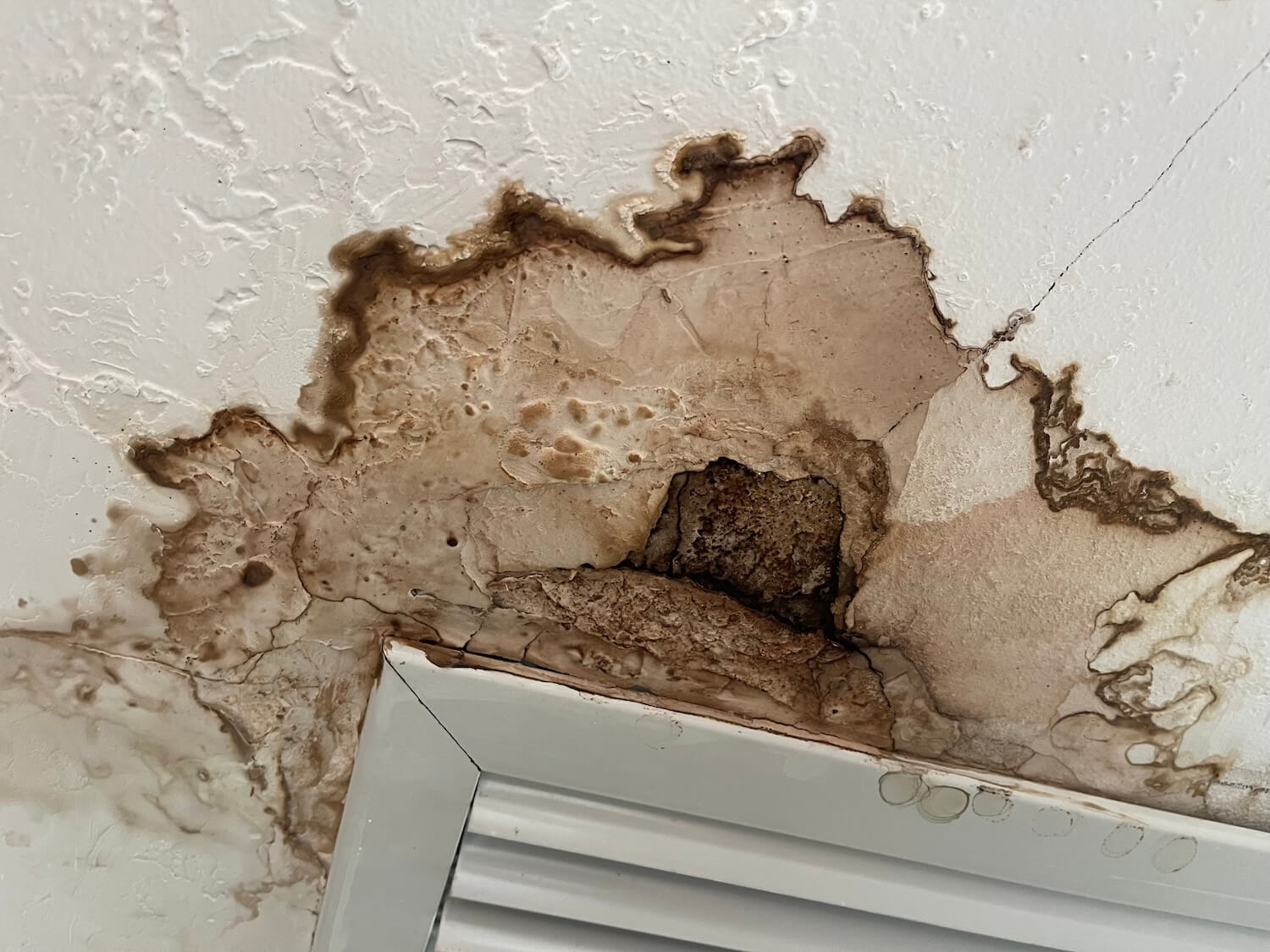
- Water stains
- Discoloration
- Bubbling paint
- Peeling drywall
- Warped flooring
- Condensation
- Visible mold growth
- Previous repair work
Even small details can provide important clues about what’s happening behind the scenes.
Moisture Mapping
One of the most important tools used during many inspections is a moisture meter.
Moisture mapping helps identify areas where building materials may still contain elevated moisture levels.
Inspectors may evaluate:
- Drywall
- Baseboards
- Wood framing
- Flooring
- Ceilings
- Cabinets
Moisture meters provide valuable information that isn’t visible to the naked eye.
Thermal Imaging
Many professional inspections also include thermal imaging.
Thermal cameras detect temperature differences across surfaces.
These differences may indicate areas where additional investigation is appropriate, such as:
- Hidden plumbing leaks
- Roof leaks
- Water intrusion
- Insulation deficiencies
- Moisture behind walls
It’s important to understand that thermal imaging does not detect mold.
Instead, it helps identify temperature variations that may be consistent with hidden moisture requiring further evaluation.
Looking Beyond Visible Mold
Professional inspections don’t stop where mold is visible.
Inspectors also evaluate areas that commonly experience moisture problems.
These may include:
- Attics
- Bathrooms
- Laundry rooms
- Kitchens
- HVAC closets
- Air handlers
- Around windows
- Beneath sinks
- Garages
- Water heater closets
These locations often experience elevated moisture levels and deserve careful attention.
Why Finding the Moisture Source Matters
One of the biggest misconceptions homeowners have is believing the mold itself is the primary problem.
In reality, mold is usually a symptom of an underlying moisture issue.
Without correcting the moisture source, mold is likely to return—even after cleaning.
That’s why identifying the cause of the moisture is one of the most important goals of a professional inspection.
What Happens After the Inspection?
Once the inspection is complete, the findings are reviewed with the homeowner.
Depending on the situation, recommendations may include:
- Repairing a plumbing leak
- Addressing roof damage
- Improving ventilation
- Reducing indoor humidity
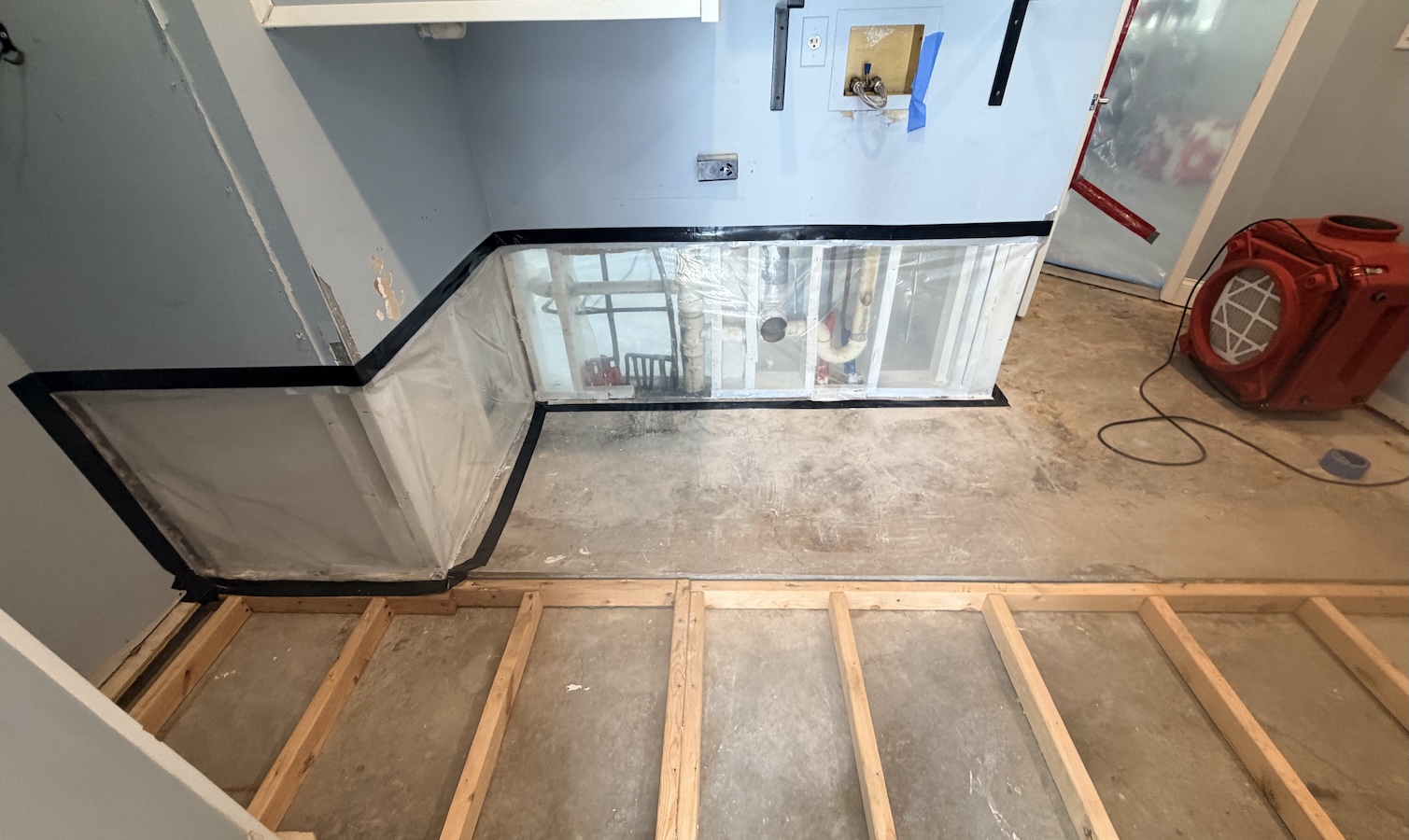
- Structural drying
- Professional mold remediation
- Continued monitoring
Not every inspection results in remediation.
Sometimes correcting a moisture issue early is enough to prevent larger problems from developing.
Does Every Mold Problem Require Remediation?
No.
Every situation is unique.
Small areas of mold associated with minor moisture issues may require a different approach than extensive mold resulting from significant water damage.
A professional inspection helps determine what recommendations are appropriate for your specific home.
Homeowner Mold Checklist
If you’re considering a mold inspection:
☐ Document any musty odors.
☐ Make note of previous leaks or water damage.
☐ Write down any questions before the appointment.
☐ Point out all areas of concern during the inspection.
☐ Ask what caused the moisture.
☐ Understand the recommended next steps.
☐ Request clarification if anything is unclear.
Blackwater Says…
A successful mold inspection isn’t just about finding mold—it’s about finding moisture.
Understanding why mold developed is the first step toward preventing it from returning.
Frequently Asked Questions
1. How long does a mold inspection take?
The length of an inspection depends on the size of the property and the number of areas requiring evaluation. Most residential inspections are completed within a few hours.
2. Can thermal imaging see mold?
No.
Thermal imaging identifies temperature differences that may indicate hidden moisture requiring additional investigation.
3. Will a moisture meter damage my walls?
Most professional moisture meters are designed to evaluate building materials with little or no visible impact.
4. If I don’t see mold, do I still need an inspection?
Visible mold isn’t the only reason to schedule an inspection. Persistent odors, previous water damage, or unexplained moisture may also warrant a professional evaluation.
5. Will every inspection result in mold remediation?
No.
Many inspections identify moisture issues that can be corrected before extensive mold growth develops.
Blackwater Pro Tip
If you’ve experienced water damage—even months ago—don’t assume everything dried properly behind the walls. A professional moisture inspection can identify hidden problems before they become much more expensive to repair.
Final Thoughts
A professional mold inspection is about much more than locating visible mold.
It’s a systematic evaluation designed to identify moisture, assess conditions within the home, and determine whether additional action is necessary.
The earlier moisture problems are identified, the easier—and often less expensive—they are to correct.
Whether you’re concerned about a musty odor, recent water damage, or simply want peace of mind, a professional inspection provides valuable information that can help protect your home.
Continue Learning
Continue exploring The Blackwater Mold Resource Center:
- Does Homeowners Insurance Cover Mold?
- What Happens During Professional Mold Remediation?
- Can You Stay in Your Home During Mold Remediation?
- Why Bleach Doesn’t Kill Mold (And What Actually Works)
- Signs You May Have Mold Even If You Can’t See It)
About Blackwater Mold Pros
At Blackwater Mold Pros, we believe educated homeowners make better decisions. That’s why we created The Blackwater Mold Resource Center, a growing library of science-based articles about mold, moisture intrusion, indoor air quality, water damage, and healthy homes.
Our mission is to provide honest, easy-to-understand information that empowers homeowners to protect their homes, understand their options, and make informed decisions when moisture or mold becomes a concern.
Written by the Blackwater Mold Pros Team
Contact Blackwater Mold Pros
Whether you’re dealing with a musty odor, hidden moisture, visible mold, or recent water damage, Blackwater Mold Pros is here to help. We provide professional mold inspections, moisture investigations, mold remediation, structural drying, HEPA air filtration, and antimicrobial fogging throughout the Tampa Bay area. Call us at (727) 314-3518.
If you’re unsure whether your home has a moisture or mold problem, our team can provide a thorough evaluation and explain your options every step of the way.