

Key Takeaways
Here is what the post gives you before you open another bin in the garage or attic.
- Why Florida humidity, garage slabs, and attic heat make stored decorations likely to grow mold.
- How to check items outdoors, what to clean with detergent and water, and what porous items to throw out.
- How live and artificial trees can bring mold spores indoors, and how to lower the risk.
- When mold on garage or attic surfaces means a moisture problem that needs professional attention.
If a musty smell keeps returning, call (727) 314-3518 or schedule a free inspection.
Quick Intro
You pull the bins off the garage shelf, pop the lid, and get hit with a damp, earthy smell. The tree skirt has gray spots. The stockings feel a little stiff. Your artificial tree smells like a closet that has not been opened since last January, because it has not.
In Florida, most families keep holiday bins in the garage, since many homes have little or no usable attic space. Either way, decorations spend 11 months in one of the hottest, most humid spots on the property. That makes them an easy place for mold to grow, and an easy way to carry it into your living room right when family arrives.
Quick answer: Yes, mold can grow on stored Christmas decorations, especially fabric, paper, wood, and artificial trees kept in Florida garages or attics. Live Christmas trees can also bring mold spores indoors. Inspect items outdoors before bringing them in, clean hard surfaces with detergent and water, throw out moldy fabric or paper items, and store everything in sealed bins in a climate-controlled space. If you find mold on garage walls and ceilings or the attic structure itself or smell mustiness throughout the house, call a professional.
Why stored decorations grow mold in Florida homes
Mold needs three things: moisture, a food source, and time. A Florida garage, or an attic if you have one, supplies all three.
- Moisture: Garages and attics are not air-conditioned. Humid outdoor air rushes into the garage every time the door opens, the concrete slab can wick moisture up from the ground, and temperature swings cause condensation on bins and boxes. Storm water blowing under the garage door, or a small roof leak in the attic, can soak a box without anyone noticing.
- Food: Mold feeds on organic material. Cardboard boxes, wrapping paper, fabric stockings, tree skirts, wreaths, wooden ornaments, and even the dust on an artificial tree are all food.
- Time: Decorations sit undisturbed for most of the year, through the hottest and most humid months.
The EPA notes that mold can grow on virtually any substance as long as moisture is present, and that indoor humidity should stay between 30% and 60%. Most Florida garages and attics run well above that in summer.
Why the garage is the most common problem spot in Florida: Many Florida garages also house the washer, dryer, water heater, or a second fridge or freezer. Each one adds heat, humidity, or a potential leak right next to your storage shelves. Bins stacked on the bare floor sit closest to slab moisture and any water that sneaks under the door, and bins pushed against exterior block walls pick up condensation.
Items most likely to have mold:
- Cardboard storage boxes (high risk): Absorbs humidity and is itself a food source.
- Fabric, such as stockings, tree skirts, and table linens (high risk): Holds moisture and traps dust.
- Natural wreaths, garlands, and pinecones (high risk): Organic plant material.
- Artificial trees (medium risk): Dust and dirt on the branches feed mold, and bases or boxes trap moisture.
- Paper and wooden ornaments (medium risk): Porous and absorbent.
- Glass, metal, and plastic ornaments (low risk): Non-porous and easy to clean.
Christmas tree syndrome: can a live tree bring mold inside?
Yes. Live Christmas trees naturally carry mold spores on their needles and bark. Once a tree is brought into a warm house, those spores can be released into the air.
Researchers at SUNY Upstate Medical University, led by Dr. Lawrence Kurlandsky, found mold growing on clippings from staff members’ own Christmas trees. Another widely cited study, reported by TIME, found airborne mold spore counts in a room rose from about 800 to 5,000 per cubic meter after a live tree had been up for two weeks. That pattern of holiday sneezing, congestion, and coughing is often called “Christmas tree syndrome.”
For most healthy people this is a nuisance. For anyone with allergies or asthma, it can make the holidays miserable.
To lower the risk with a live tree:
- Shake the tree well outdoors before bringing it in
- Rinse it with a garden hose and let it dry completely in the garage or on the patio
- Keep it up for the shortest time you are comfortable with, ideally under two weeks
- Run your AC and keep indoor humidity in the 30% to 60% range
- Vacuum fallen needles often, using a vacuum with a HEPA filter
Artificial trees are not automatically safer. A tree stored in a damp garage or a cardboard box can come out with dust and mold on its branches. Wipe or rinse it outdoors and let it dry before setting it up.
How to check, clean, and store holiday decorations
Before you bring them inside:
- Open bins outdoors or in the garage. If you smell mustiness the moment the lid comes off, assume something inside has mold.
- Look for fuzzy spots, discoloration, or stains in shades of white, gray, green, or black, especially on fabric, paper, and cardboard.
- Wear gloves and a mask (an N95 is a good choice) while sorting moldy items, particularly if anyone in the home has allergies or asthma.
What to clean and what to toss:
- Glass, metal, and plastic: Wash with detergent and water, then dry completely. The EPA recommends detergent and water for mold on hard surfaces.
- Washable fabric: Launder in the hottest water the label allows and dry fully. If staining or a musty smell remains, replace it.
- Cardboard, paper, natural wreaths, and porous wood: If they show mold, throw them out. Mold grows into porous materials and cannot be fully cleaned from them.
- Skip the bleach. It does not penetrate porous surfaces and can damage finishes. Read more in Why Bleach Doesn’t Kill Mold.
How to store decorations so this does not happen again:
- Swap cardboard for sealed plastic bins with tight lids
- Make sure everything is completely clean and dry before packing it away
- Add silica gel packs or moisture absorbers to each bin
- Store bins in a climate-controlled space such as an interior closet or under a bed if you have room
- If the garage is your storage space: Put bins on wire or metal shelving at least a few inches off the slab. Keep them away from the garage door, exterior walls, the water heater, and the washer. Leave a small gap between bins and the wall so air can move. In an enclosed garage, a dehumidifier helps during the humid months.
- If you use the attic: Set bins on boards laid across the joists, away from the roof deck, and check for leaks after storms
- Open and check a bin or two midway through the year, especially after hurricane season
When moldy decorations point to a bigger problem
A moldy box of ornaments is easy to toss. But if your decorations keep coming out moldy year after year, the real problem is where they are stored. Call a professional if you notice:
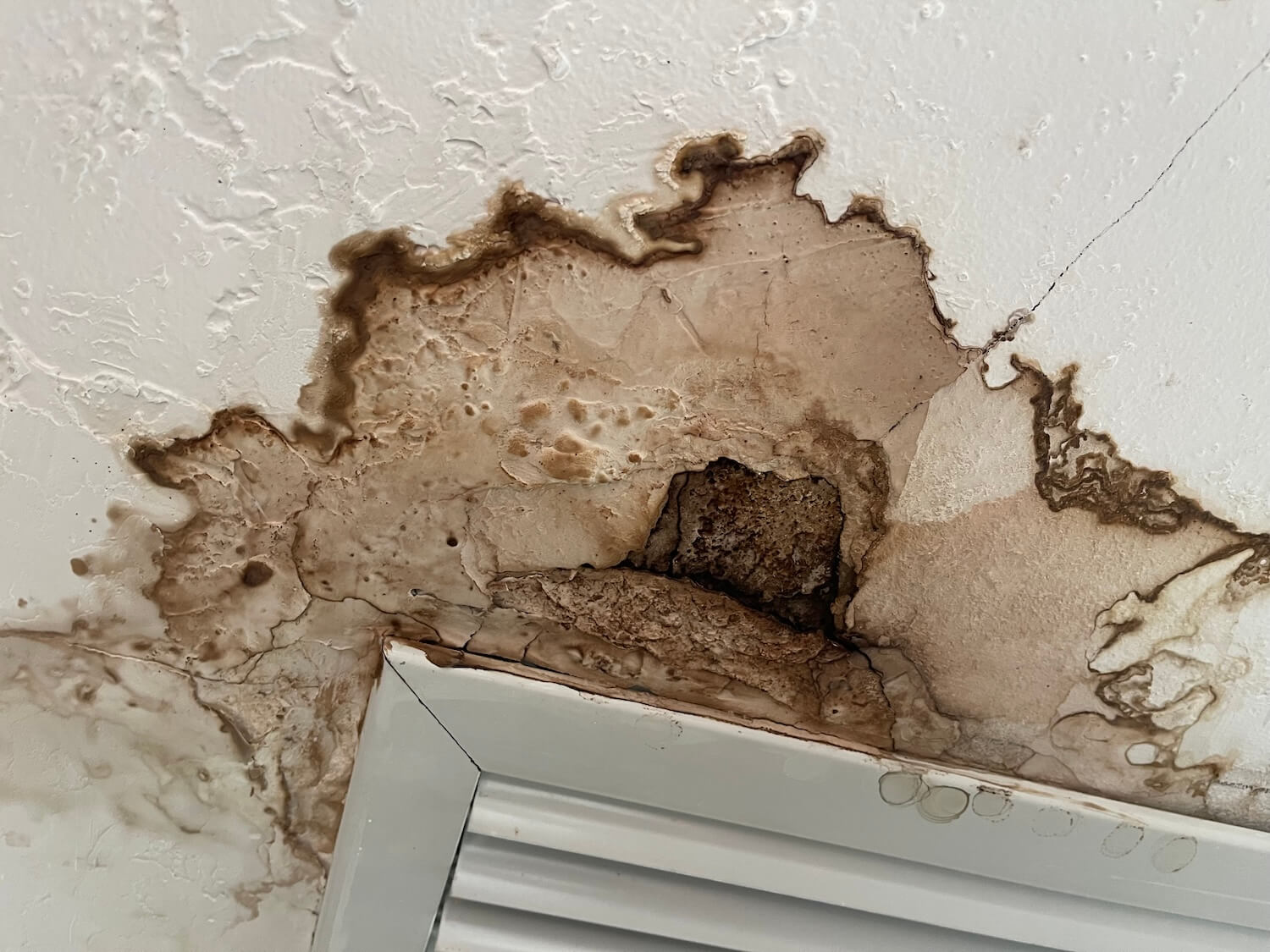
- Mold or dark staining on garage drywall, the garage ceiling, or the bottom few inches of the walls
- Water stains on the garage ceiling, or water getting in under the garage door during storms
- Leaks or rust around a water heater or washer in the garage
- Mold or dark staining on attic rafters, roof decking, or insulation
- A musty smell in the garage or attic that drifts into the house
- Mold on several bins at once, not just one item
- Allergy or asthma symptoms that flare up after you decorate
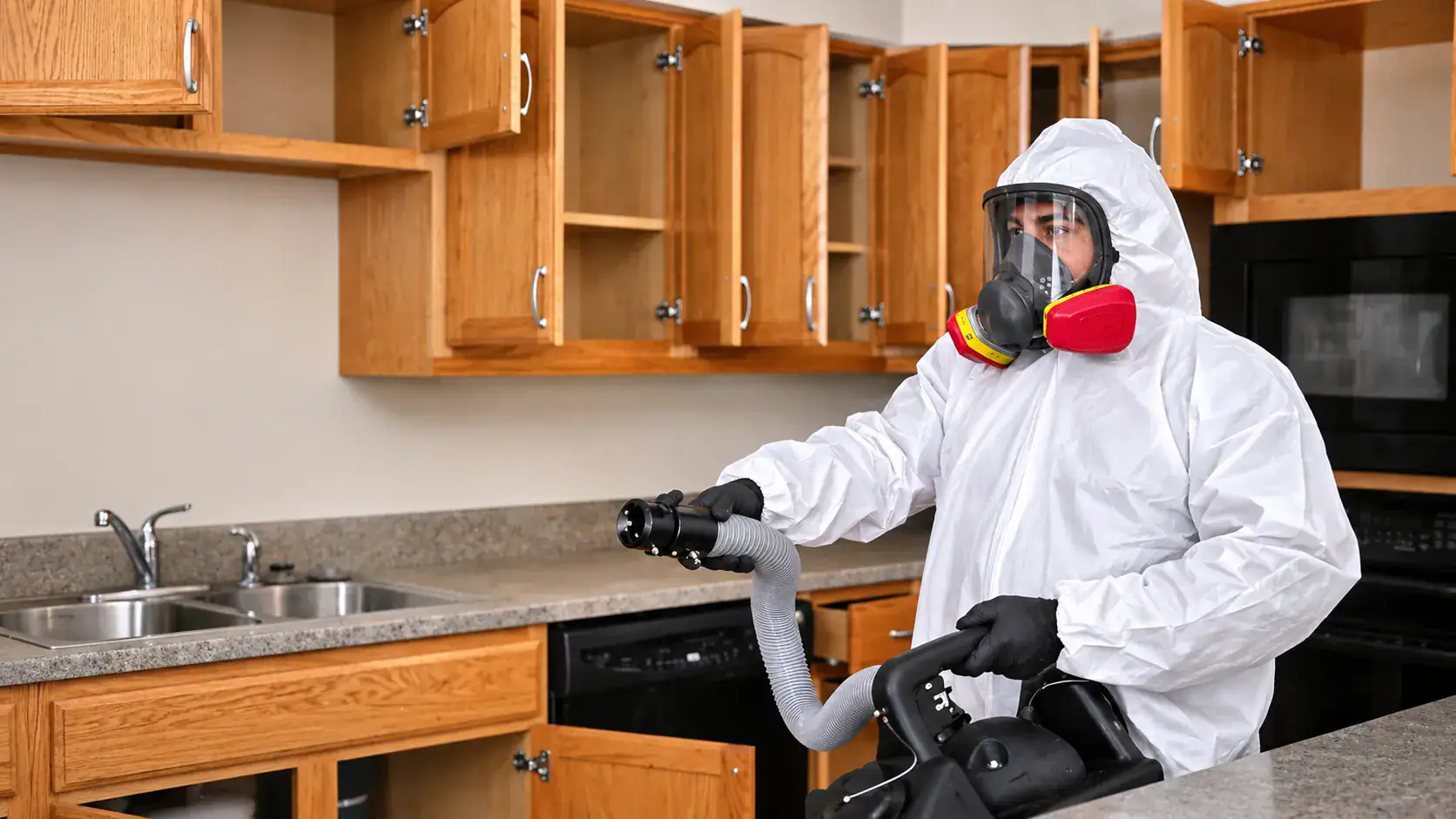
These are signs of a moisture problem in the structure, often a slow roof or plumbing leak, storm water getting into the garage, poor ventilation, or condensation. Blackwater Mold Pros handles garage, attic, and crawl space mold removal, finds and fixes the moisture source, and finishes with indoor air sanitization: fogging and treatment that neutralizes airborne mold spores and bacteria so your home is ready for guests.
Make this the year your decorations come out clean. We are a family-owned, IICRC and NORMI certified team serving Clearwater, Tampa, St. Petersburg, and all of Tampa Bay. Call (727) 314-3518 or schedule your free inspection.
FAQ
Can mold grow on Christmas decorations? Yes. Fabric, paper, cardboard, wood, and natural materials can all grow mold when stored in humid spaces like Florida garages and attics.
What is Christmas tree syndrome? It is the name for allergy-like symptoms, such as sneezing, congestion, and coughing, that some people get after bringing a live Christmas tree inside. It is linked to mold spores and pollen carried on the tree.
Can an artificial Christmas tree have mold? Yes. Dust and moisture on the branches, or a damp storage box, can lead to mold growth. Clean and dry it outdoors before setting it up.
How do I get mold off Christmas ornaments? Wash glass, metal, and plastic ornaments with detergent and water and dry them completely. Throw out paper, fabric, or wooden ornaments with visible mold.
What is the best way to store Christmas decorations in Florida? Use sealed plastic bins with moisture absorbers, make sure items are dry before packing, and store them in an air-conditioned space when possible.
Is it safe to store Christmas decorations in the garage? Yes, with a few precautions. Use sealed plastic bins, keep them on shelving off the concrete floor, and store them away from the garage door, exterior walls, water heater, and washer. A dehumidifier helps in an enclosed Florida garage.
Is it safe to keep decorations in the attic? It can be, if the attic is well ventilated and leak-free. Keep bins away from the roof deck. If you find mold on the attic or garage structure, have it inspected.