
Key Takeaways
Musty smells come from moisture and growth you usually cannot see, so masking them only buys you a few hours. Here is how to track one down before the holidays.
- Why candles, vinegar, baking soda and ozone machines fail, and what each one really does
- A 20 minute walkthrough for finding the source, from under-sink cabinets to the AC air handler
- Where air sanitization fits in, the order to do things in, and when the smell means it is time to call a pro
Quick Intro
The guest room is made up, the turkey is thawing, and the house still smells a little… off. Not dirty. Just musty. You light a candle, crack a window, and hope nobody notices.
If that sounds familiar, you are not alone. A musty smell is one of the most common complaints we hear from homeowners across Clearwater and Tampa Bay, and it tends to show up right when you want your home at its best. The good news: once you know where the smell comes from, you can get rid of it for good instead of covering it up every time company comes over.
Quick answer: To get rid of a musty smell in your house, you have to find and remove its source, which is usually hidden moisture and mold growth. Candles, sprays, and vinegar only mask the odor. Dry out damp areas within 24 to 48 hours, keep indoor humidity between 30% and 60%, remove or clean any mold growth, and then use professional air sanitization to neutralize the airborne spores and bacteria left behind.
Why does my house smell musty?
A musty smell almost always means something is growing where moisture has been sitting. As mold and bacteria feed on damp drywall, carpet padding, wood, or fabric, they release gases called microbial volatile organic compounds (mVOCs). That is the earthy, stale “basement” smell you notice when you walk in the door.
The EPA puts it plainly: a moldy odor suggests mold is growing in the building and should be investigated. You do not need to see mold for it to be there. It often hides behind walls, under flooring, inside AC systems, or in closets that rarely get opened.
Florida homes have it harder than most. Our outdoor humidity stays high most of the year, AC units and ductwork sweat, and a small roof or plumbing leak can stay hidden for weeks. Common sources we find include:
- Slow leaks under sinks, behind toilets, or around the dishwasher
- Damp carpet padding from an old spill, pet accident, or leak
- AC air handlers, drip pans, and ducts with condensation
- Closets and guest rooms with poor airflow that stay shut for months
- Bathrooms without a working exhaust fan
- Attics and crawl spaces after a roof leak or storm
Holiday season makes it more noticeable. Guest rooms get opened up after months closed, decorations come down from the attic or garage, and more people in the house means more cooking, showers, and humidity.
Common fixes people try (and why the smell keeps coming back)
Most of the home remedies people reach for treat the smell, not the source. Here is what each one actually does.
- Scented candles and plug-ins: They layer a stronger scent over the odor, but nothing is removed. The mold keeps releasing mVOCs, and the fragrance adds more compounds to the air you breathe.
- Air freshener sprays: They mask the smell for an hour or two. Once the fragrance fades, the musty smell is right back.
- White vinegar: It cleans and deodorizes the hard surfaces it touches, but it cannot reach mold inside drywall, padding, or wood, and it does nothing about the moisture feeding the growth. See Why Bleach Doesn’t Kill Mold for the same issue with bleach.
- Baking soda and charcoal bags: They absorb some odor in a small, closed space. Fine for a drawer or closet, too weak for a room with an active moisture problem.
- Wet vacs: They pull up standing water after a spill or leak, but only surface water. Moisture left in padding, subfloor, and baseboards can grow mold within 24 to 48 hours, and a standard shop vac without a HEPA filter can blow spores back into the room.
- Opening windows: Fresh air gives a quick refresh, but in Florida outdoor air is often humid, which can raise indoor moisture and feed the problem once the windows close.
- Box fans and household dehumidifiers: They move air and pull some moisture. Helpful for prevention, but they will not dry a wet wall cavity or remove growth that has already started.
- Ozone machines: They are marketed as odor and mold killers, but the EPA says ozone at safe levels does not effectively remove mold or many odor-causing chemicals, and inhaling it can damage the lungs.
If the smell returns within a day or two of cleaning, that is your sign the source is still there.
How to find the source of a musty smell
Before you spend money on another candle, spend 20 minutes tracking the smell down. Your nose is a better tool than you think.
- Follow the strongest spot. Walk room to room and note where the smell is heaviest. Closets, under sinks, and behind furniture against exterior walls are common culprits.
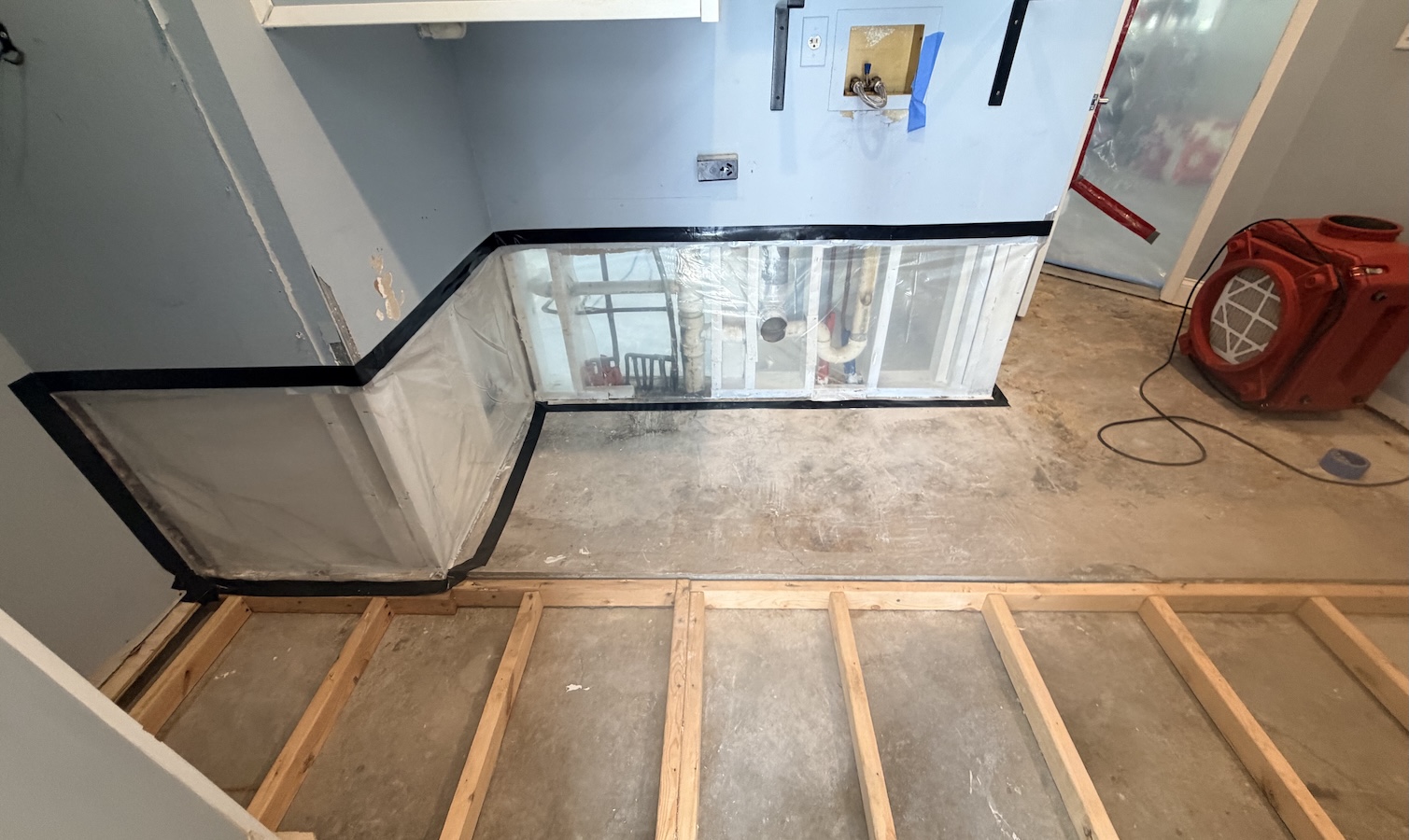
- Check under every sink and around the toilets. Look for warped cabinet floors, soft spots, water stains, or a damp feel.
- Look at your AC. A musty smell that gets stronger when the AC kicks on often points to the air handler, drip pan, or ductwork.
- Lift a corner of carpet in the room that smells worst. Dark spots or a damp pad mean moisture has been sitting there.
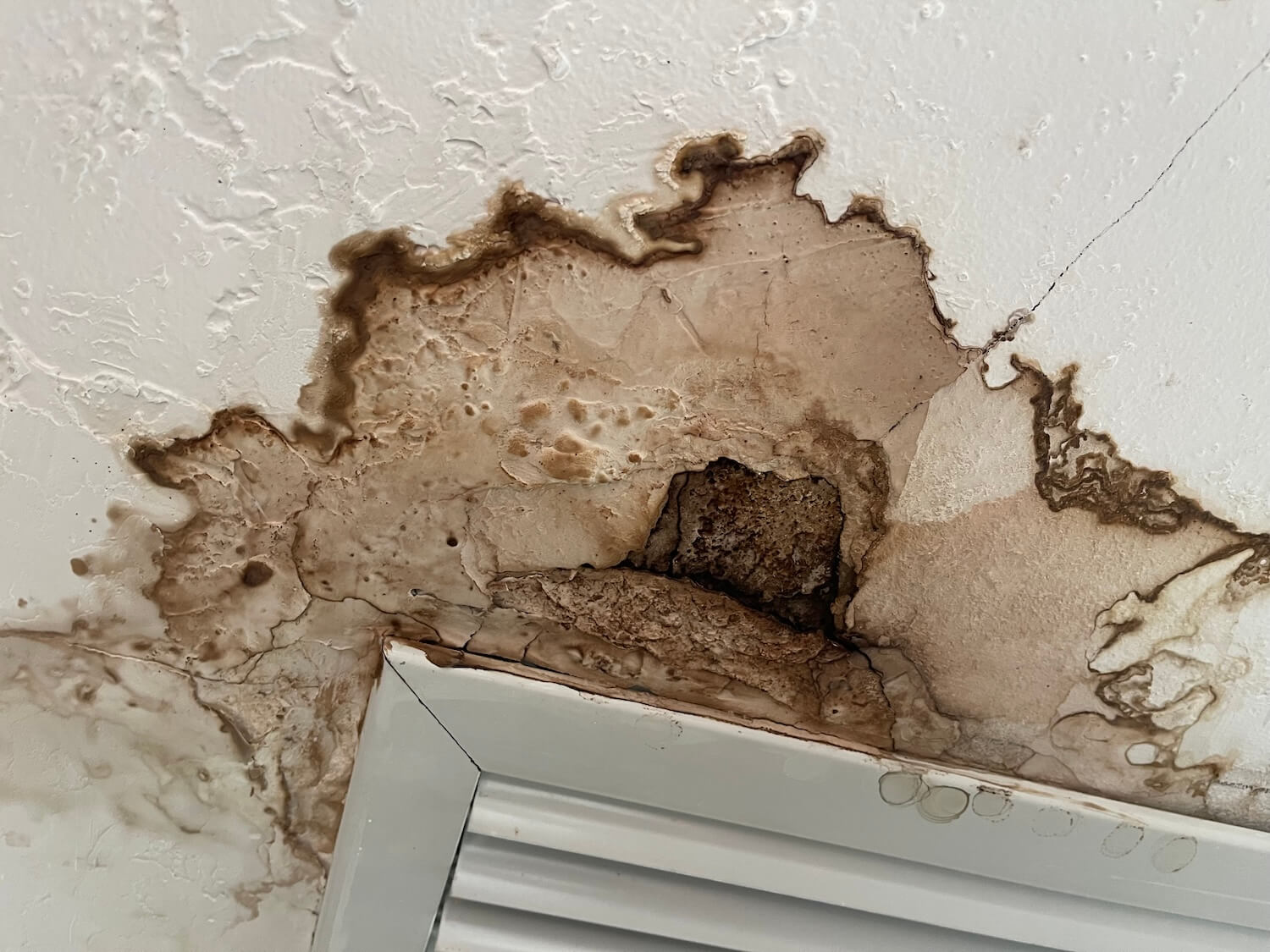
- Look up. Ceiling stains, bubbling paint, or sagging drywall can point to a roof or AC leak above.
- Measure humidity. An inexpensive hygrometer tells you if indoor humidity is above the EPA’s recommended range of 30% to 60%.
If you find visible mold, a stain that keeps growing, or a smell you cannot trace, the source is probably inside a wall, floor, or AC system. That is where a professional mold inspection earns its keep. For more on what to look for, read Signs You May Have Mold Even If You Can’t See It.
How professional air sanitization helps
Once the source is fixed, the air still carries what was released while the problem was growing. Airborne mold spores, bacteria, and lingering odor compounds settle into fabrics, carpet, and ductwork, which is why a room can still smell stale after the leak is repaired.
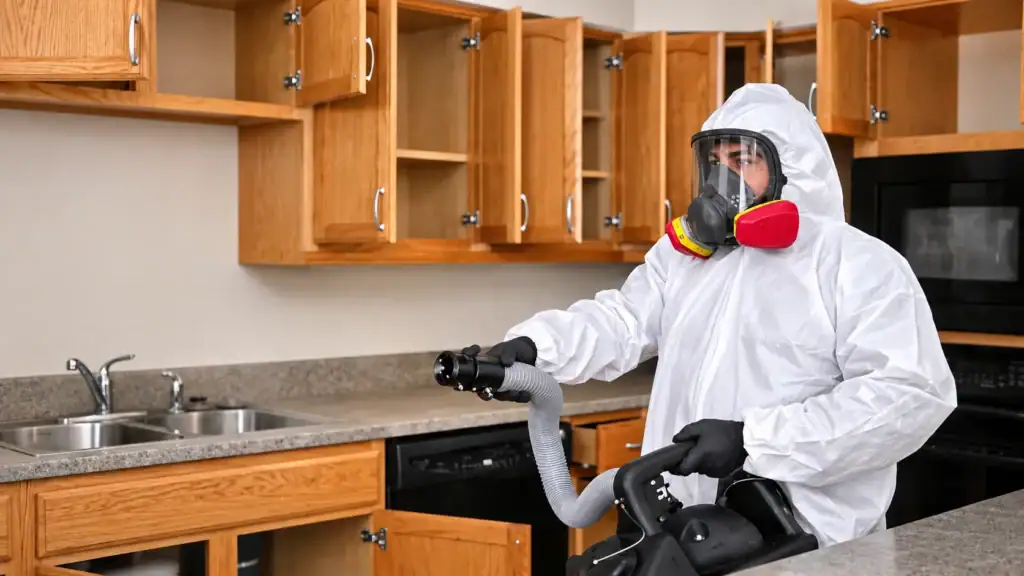
That is where air sanitization comes in. At BlackWater Mold Pros, our indoor air sanitization service uses fogging and targeted treatment to neutralize airborne mold spores and bacteria throughout the space.
How it works:
- Fogging: A fine mist of treatment solution is dispersed into the air so it reaches spaces a spray bottle or wipe never could, including the air itself, upper walls, and soft furnishings.
- Targeted treatment: High-risk areas such as closets, bathrooms, and AC returns get focused attention.
- Odor neutralization: Because the treatment works on the microbes that cause the smell, it neutralizes the odor instead of covering it with fragrance.
What air sanitization does not replace: Fogging is a finishing step, not a shortcut. Industry guidance from the ACGIH is clear that antimicrobials should never be used as a substitute for physically removing mold growth. If mold is growing inside a wall or under a floor, it has to be removed and the moisture fixed first. Air sanitization then clears the air so your home smells clean, not just scented.
The right order looks like this: find the source, fix the moisture, remove the growth, then sanitize the air.
When to call a professional
A little DIY goes a long way, but call in a pro if:
- The musty smell comes back within a few days of cleaning
- You can smell it but cannot find the source
- You see mold larger than a few square feet, or growth on drywall, wood, or carpet
- The smell is strongest when the AC runs
- You recently had a leak, storm damage, or a flood
- Someone in the home has allergies, asthma, or respiratory symptoms that get worse indoors
Get your home guest-ready, for good. BlackWater Mold Pros is a family-owned, IICRC and NORMI certified mold remediation company serving Clearwater, Tampa, St. Petersburg, and all of Tampa Bay. We find the source, fix it, and sanitize the air so your home smells clean for the holidays and long after.
Call (727) 314-3518 or schedule your free inspection today.
FAQ
Why does my house smell musty even though it is clean? A musty smell usually comes from mold or bacteria growing in a hidden damp spot, such as inside a wall, under carpet, or in your AC system. Surface cleaning does not reach those areas, so the smell returns.
Do candles or air fresheners get rid of a musty smell? No. They mask the odor with fragrance, but the source keeps producing it. Once the scent fades, the musty smell comes back.
Does vinegar get rid of mold smell? Vinegar can clean and deodorize small areas of mold on hard surfaces. It cannot reach mold inside porous materials, and it does not fix the moisture causing the growth.
Is a musty smell always mold? Not always, but often. The EPA says a moldy odor suggests mold is growing and should be investigated. Other causes include damp laundry, sewer gas, or a dirty AC drip pan, which can also grow mold.
What is air sanitization for mold? Air sanitization uses fogging and targeted treatment to neutralize airborne mold spores and bacteria. It is most effective after the mold source has been removed and the moisture problem is fixed.
Does mold fogging remove mold? Fogging treats airborne spores and surfaces, but it does not replace physical removal of active mold growth. A proper remediation removes the growth first, then sanitizes the air.
What humidity level prevents musty smells? The EPA recommends keeping indoor humidity between 30% and 60%. In Florida, running your AC and a dehumidifier helps keep homes in that range.
How long does it take to get rid of a musty smell? Simple causes like a damp towel pile clear up in a day. If mold is growing behind a wall or under flooring, the smell lasts until the source is removed and the air is treated.